


What Causes Exterior Paint Peeling on Homes in Carmel, IN?
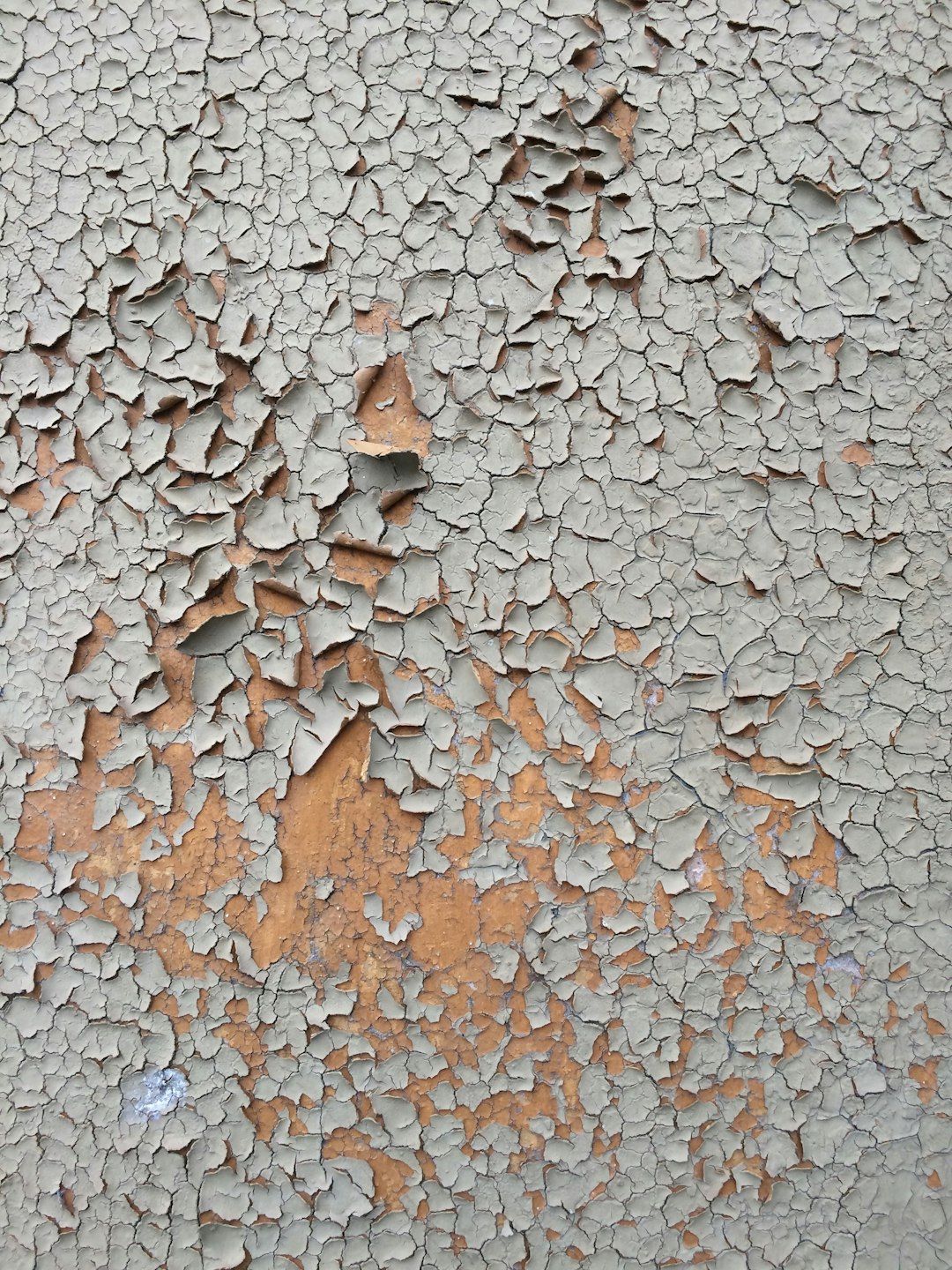
Exterior paint peels when the bond between the paint and the surface underneath fails. In Carmel, IN, local climate, building materials, and seasonal changes combine with common homeowner habits to create a perfect environment for this problem. Understanding the root causes helps local residents prevent or address paint issues before they worsen.
Several factors contribute to peeling:
- Moisture is the biggest enemy of exterior paint. Humidity, rain, and snow expose siding and trim to moisture year-round.
- Temperature swings stress paint as it expands and contracts. Winters in the city can be hard on paint finishes due to freeze-thaw cycles.
- Sun exposure degrades paint over time, causing it to lose flexibility and crack.
- Poor surface preparation before painting—such as failing to clean surfaces or skipping primer—often leads to poor adhesion.
- Incompatible or low-quality paint products do not withstand Carmel’s weather.
- Aging materials like older wood siding lose their ability to hold paint after many years.
Is Carmel’s Climate a Big Factor?
Yes. The local climate in Carmel affects both newly-painted and older homes.
Seasonal freeze-thaw cycles cause wood and other materials to move, creating cracks or gaps where water can enter. High humidity in summer and snowmelt in winter mean moisture is almost always present. When paint can’t flex with these changes, or when underlying materials swell with water, peeling quickly follows.
Homes with southern or western exposure are hit hardest by sun and rain. Shaded areas, on the other hand, may stay damp and develop hidden rot under paint.
How Does Poor Preparation Lead to Peeling?
The preparation process before painting sets the stage for paint durability.
If the exterior surface isn’t clean, dust, pollen, and old paint residues prevent new paint from sticking. Not using primer is another common issue on both new wood and previously painted surfaces. Primer creates a crucial seal and helps the topcoat bond to siding or trim, improving longevity.
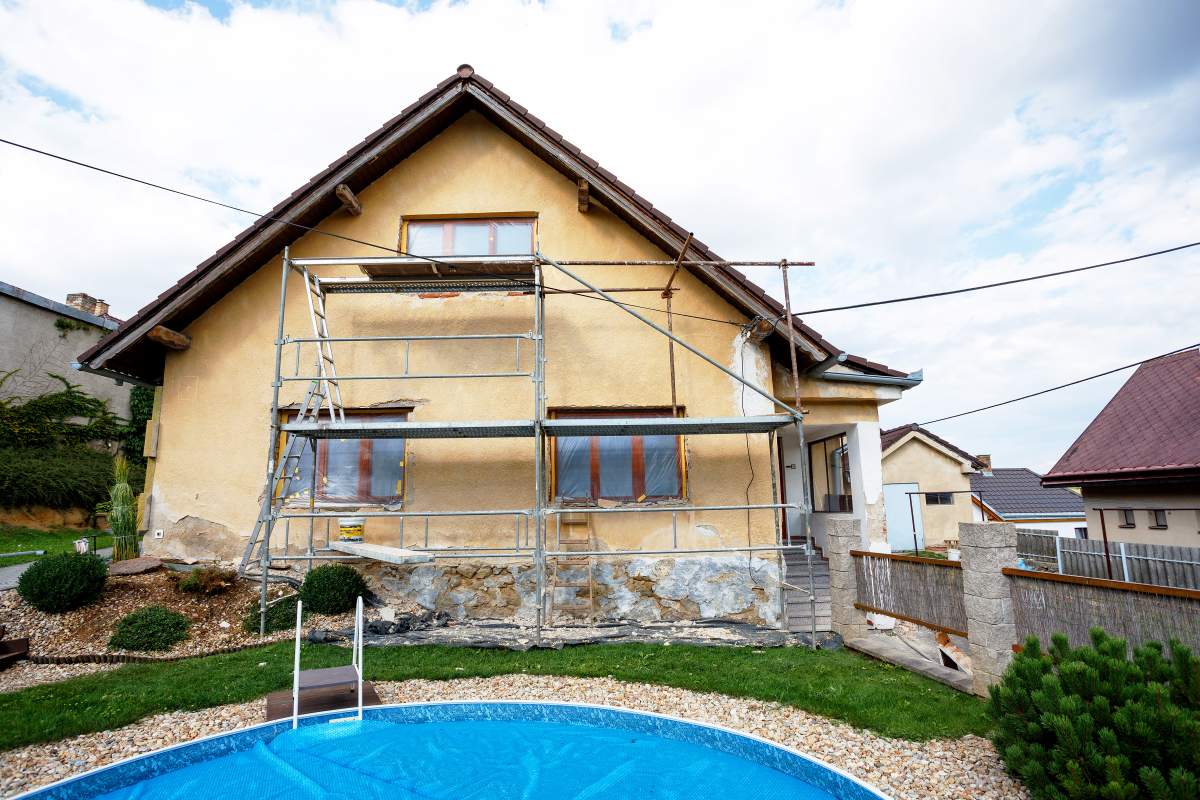
Older paint layers that are already loose or blistered will continue to peel underneath any new coat. Painting directly over mildew, soot, or grime can also cause the new finish to blister and peel.
What Type of Paint Is Best for the Area?
Not all paints perform equally in Carmel’s climate.
Elastomeric and high-quality 100% acrylic latex paints are better at handling temperature shifts and moisture. These products flex with the wood or siding, resist cracking, and offer superior adhesion. Oil-based paints, though less common now, may be needed for restoring historic homes but require careful prep.
Using paint not designed for exterior use, or mixing incompatible types (oil over latex, for example), will almost always result in peeling within a few seasons.

Can You Fix Peeling Paint Yourself?
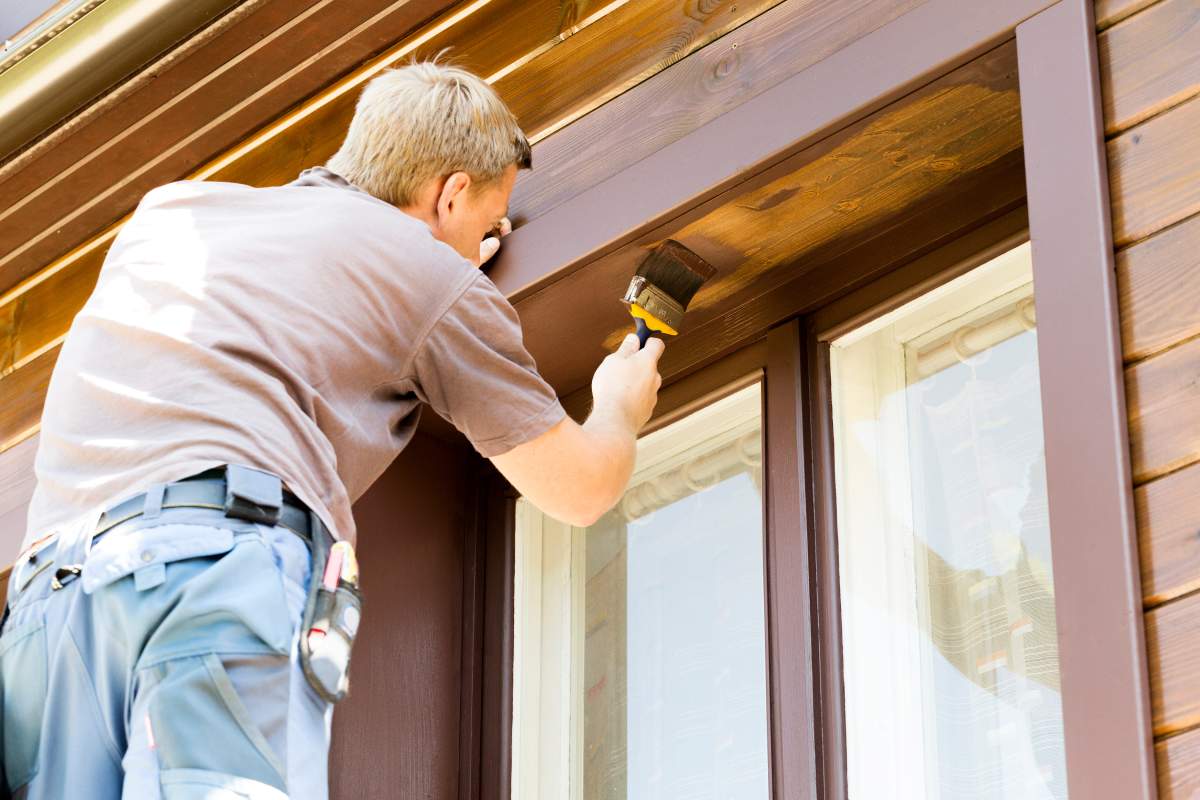
In most cases, homeowners can repair small areas of peeling paint with some attention to process and product choice. Step-by-step: 1. Identify the cause If peeling is widespread, moisture problems or hidden rot may be present, and those should be resolved before repainting. 2. Remove all loose paint Use a paint scraper, putty knife, or wire brush to remove any peeling, flaking, or blistered material. Be thorough—leftover loose edges lead to quick failure. 3. Clean the area Wash the surface with soap and water (or a mildew-killing cleaner if needed). Allow to dry completely, especially after rain or periods of high humidity. 4. Repair and prime Patch minor wood damage or caulk gaps where moisture could enter. Apply exterior primer—not just paint—on any bare wood or patched surfaces. 5. Repaint with high-quality exterior paint Apply at least two thin coats, following the manufacturer’s guidelines for temperature and drying time. Aim for mild, dry weather conditions for best results.
When Is Peeling a Sign of a Bigger Problem?
Peeling that returns quickly after repainting, or that appears alongside wood rot, warping, or mold, points to underlying issues. Unchecked moisture behind siding, gutter leaks, or hidden leaks near windows and doors can cause recurring paint failure. If peeling worsens despite correct surface prep and paint, it could signal problems with the siding itself or unseen water damage. In these cases, further inspection is necessary and extensive repairs may be needed.
Are There Long-Term Ways to Prevent Paint Peeling in the City?
Ongoing care makes a difference for homes of all ages.
- Keep gutters clear and in good repair to avoid water washing over siding during storms.
- Trim back shrubs or trees to allow sunlight and airflow, reducing mildew and damp spots.
- Inspect caulking and flashing each season and repair as needed to keep water out.
- Allow plenty of time for surfaces to dry after wet weather before repainting or priming.
- Consider scheduling exterior painting for late spring or early fall when temperatures and humidity are moderate in the region.
Regular home maintenance and timely repairs shield your paint from Carmel’s challenging conditions, helping exterior finishes last longer and look better year-after-year.