


What Makes Exterior Paint Peel in Carmel, IN?
Peeling exterior paint is a common sight in the residential neighborhoods of Carmel, IN, especially on older homes or those exposed to harsh seasonal changes. The main cause is the breakdown of the bond between the paint and the surface beneath, usually triggered by moisture, temperature swings, or improper preparation before painting.
How Does Moisture Play a Role?
The most frequent root cause for peeling paint in the area is moisture infiltration. In Carmel, rain, humidity in the warmer months, and freeze-thaw cycles can all force water into exterior siding, trim, or window frames. This moisture pushes against the back of the paint film until it eventually lifts and separates, forming unsightly bubbles and strips.
Moisture typically reaches wood and other exteriors in a few ways:
- Gutters clogged with leaves overflow and keep siding wet.
- Caulking cracks allow rain or melting snow to enter.
- Poor attic or wall ventilation leads to condensation inside walls, pushing moisture out.
Paint naturally repels small amounts of water, but continuous or trapped dampness will eventually win out, resulting in peeling patches or widespread failure.
Can Seasonal Changes in Carmel Affect Paint Longevity?
Yes—central Indiana’s marked seasonal shifts directly affect the life span of exterior paint. Winters bring repeated freeze-thaw cycles, causing exterior materials to expand and contract. Warm, humid summers encourage swelling of wood or fiber cement. Each cycle puts stress on the paint layer, resulting in tiny cracks or gaps.
Over time, this movement can weaken the paint bond, especially if older materials (such as oil-based paints) were applied over previously weathered or degraded surfaces.
Are There Other Factors That Make Paint Peel?
Aside from moisture and changing weather, several other underlying causes contribute to peeling in local homes:
- Painting over dirty, chalky, or glossy surfaces prevents proper adhesion.
- Skipping primer, especially on bare wood or new siding, reduces the paint’s grip.
- Applying new paint over loose, flaking old layers traps weaknesses underneath.
- Using paints not formulated for exterior use, or applying products outside the recommended temperature window, shortens durability.
- Exterior siding or trim that is already rotten or damaged cannot hold paint well.
Even small mistakes in prep or application can significantly shorten the life expectancy of an otherwise high-quality paint job.
How Can Residents Identify the Root Cause of Peeling Paint?
Determining the driving force behind failed paint is the most valuable step before planning repairs. Simple steps can help clarify what went wrong:
- Inspect where the peeling is happening. Areas under eaves or near gutters often point to water overflow. Peeling near window sills may indicate failed caulking.
- Look behind the peeling paint. If there is mold, mildew, or soft damp wood, moisture is the likely culprit.
- Check for paint failure on only sun-exposed walls; this may indicate sun damage or heat-related expansion.
Knowing whether water, temperature, application issues, or another factor is at play will help narrow down the fixes needed and prevent recurrence.
What Are the Proper Steps to Fix Peeling Exterior Paint?
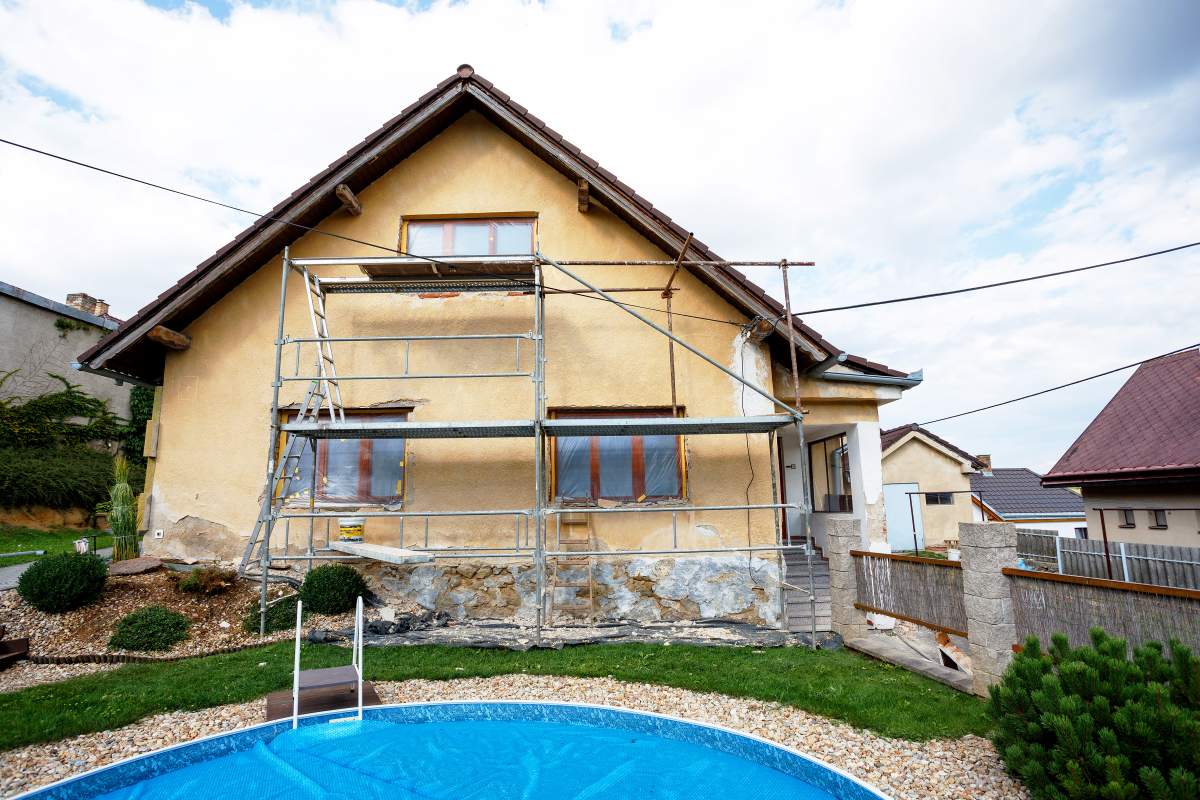
Addressing peeling paint starts with remedying the root problem. Simply repainting over failed areas rarely solves the issue for long. Residents can resolve many sources of paint failure by following a careful process:
- Scrape away all loose, flaking, or peeling paint with a putty knife or wire brush.
- Sand the edges for a smoother transition to undamaged areas.
- Clean the surface thoroughly to remove dirt, dust, and chalky residue.
- Repair or replace any rotted wood and reseal joints with appropriate caulk.
- Allow the surface to dry completely before proceeding.
- Prime any bare wood or highly porous surfaces to promote strong adhesion.
- Select high-quality exterior-grade paint rated for the region’s freeze-thaw cycles.
- Apply paint in mild weather, avoiding extreme heat, cold, or humidity.

Each step above ensures the new finish adheres well and holds up through year-round local weather. Rushing through prep or painting in poor conditions often leads to repeat failures.
What Are Common Misconceptions About Peeling Paint?
Some residents believe all paint failures stem from product quality rather than conditions under the paint layer. In reality, the best paints can’t stick to dirty, wet, or damaged surfaces. Another misconception is that applying thick coats of paint or “painting over the problem” will seal out moisture or hide flaws. Thick layers are more likely to peel and trap moisture. A final myth is that paint failures only affect appearance; in fact, exposed areas lead to further rot and decay, especially in humid or wet weather. Addressing these problems early can save substantial time and effort later.
Are There Preventive Strategies to Avoid Peeling Paint?
Proactive care makes a difference in prolonging paint life in local homes:
- Keep gutters clean and clear to direct rainwater away from exterior walls.
- Monitor caulking and wood trims around windows and doors, resealing small gaps at the first sign of cracking.
- Inspect shaded or north-facing walls, as these dry more slowly after rainfall.
- Trim back bushes and trees near the house to allow airflow and sun exposure for faster drying after rain or dew.
Repainting before paint begins to peel—rather than waiting for significant failure—helps maintain both the look and protection of a home’s exterior.
When Should Health or Safety Concerns Be Considered?
If peeling paint affects homes built before 1978 in Carmel, there may be a risk of lead-containing dust. In these cases, special caution and handling procedures are necessary, particularly around children and pets. Residents with questions can consult the U.S. Environmental Protection Agency for safe removal information.