


What Does Roof Replacement Involve for Carmel, IN Residents?
Roof replacement in Carmel, IN generally means fully removing the old roofing materials down to the deck and installing new shingles or other coverings. This process addresses leaks, age, or storm damage and helps prevent structural issues common to homes in this region’s climate.
When Should Homeowners Consider Replacing a Roof?
If your roof is leaking, has widespread missing or curling shingles, or is more than 20 years old, it might be time for a replacement. In Carmel, freeze-thaw cycles, strong winds, and seasonal storms can accelerate wear. Be alert to:
- Stains or moss growth on shingles
- Granules collecting in gutters
- Visible sagging or daylight through attic boards
These are early signs the roof’s protective system isn’t working as intended.
How Is the Old Roof Safely Removed?
The first step is stripping off old shingles or tiles, underlayment, and flashings. It’s best to do this during dry, mild weather to avoid water intrusion and slippery surfaces. Homeowners should:
- Ensure the area around the house is clear of valuables
- Communicate with neighbors about noise and debris
- Consider local waste disposal guidelines, as roofing materials cannot go in regular curbside bins
Proper removal helps identify hidden wood rot or deck damage, which is particularly relevant in older sections of the city where homes may not have been updated for decades.
What Materials and Methods Suit Local Roofs?
For most homes in Carmel, architectural asphalt shingles are common for their weather resistance and balance of cost and curb appeal. In areas with significant tree coverage or ice dam issues, underlayment choices and ventilation become critical. Factors to consider include:
- Durability against Midwest storms and temperature swings
- Color and reflectivity to manage attic heat in summer
- Proper ventilation for seasonal humidity
Some newer roofs use composite or metal materials, but check neighborhood covenants or HOA rules, as some communities have appearance-related regulations or material restrictions.
What Steps Should Be Taken During Installation?
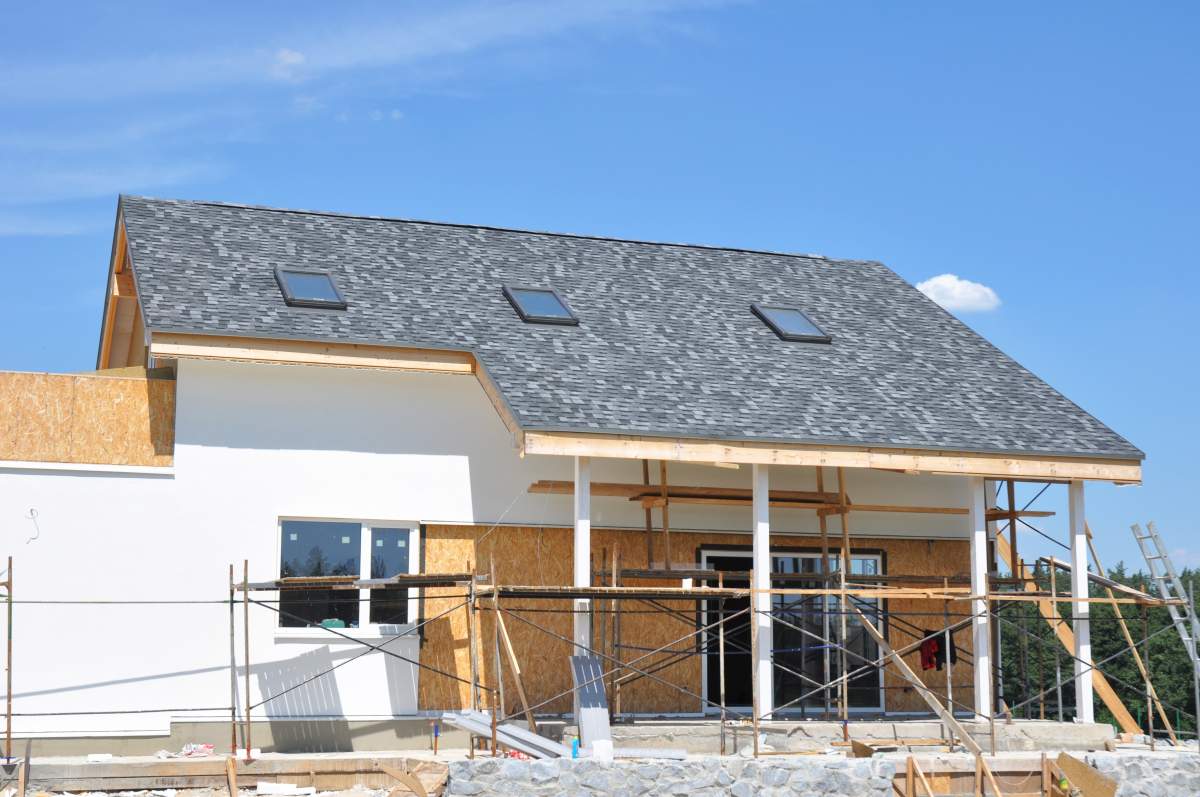
After deck inspection and any repairs, the main steps include: 1. Installing an ice and water barrier along eaves — especially important here due to ice dam risk. 2. Laying down synthetic or felt underlayment for added moisture defense. 3. Carefully fitting flashing around chimneys, skylights, and valleys to prevent leaks. 4. Nailing shingles (or other chosen material) in manufacturer-approved patterns, ensuring all seams are staggered properly. 5. Installing ridge caps and ensuring proper attic ventilation, which protects against condensation and mold in humid months.
In Carmel’s neighborhoods with varied home styles, correct detailing at roof edges and intersections is crucial to blend with historic or modern architecture and prevent wind-driven rain entry.
What Are Common Mistakes or Overlooked Issues?
One frequent error is skipping inspection of roof decking and underlayers. Hidden problems here can reduce the new roof’s lifespan. Other common issues:

- Reusing old or bent flashing
- Poorly placed attic vents leading to condensation
- Neglecting to check gutter alignment, leading to runoff problems
Area households should also remember that, due to changing weather, unexpected rain can interrupt projects—having tarps or water barriers on hand is wise.
How Can Roof Replacement Impact Insurance and Local Codes?
Most standard homeowners’ insurance in Carmel will help cover replacement after storm, hail, or wind damage but does not cover routine age-related wear. Document the condition of the old roof with photos before removal and keep receipts for all materials and work. Local building codes—enforced in the city—set rules for the number of shingle layers allowed, wind-resistance ratings, and ventilation minimums. Verify code requirements before purchase or installation.
What Should Be Cleaned Up and Checked Afterward?
Once the new roof is installed:
- Walk the property perimeter for stray nails or debris (magnet sweepers can help)
- Make sure gutters and downspouts are reattached and clear
- Confirm all shingles lay flat and no flashing is left loose
- Ensure documentation is ready if needed for future warranty claims or a home sale
Spring and fall are busy times for exterior projects, so neighbors in the community may appreciate a heads-up on potential noise and shared driveways during the work.
Practical Advice for Carmel’s Unique Climate
Carmel experiences heavy snow, ice, winds, and summer thunderstorms. Durable roofing, with proper attic ventilation and ice water shielding, will help avoid common regional issues like ice dams or attic mold. Regularly clearing gutters and inspecting for blown-off shingles or debris after storms extends roof life.