


What Are the Most Frequent Planning Mistakes in Exterior Remodeling?
Many projects in Carmel, IN stall or cause frustration during the planning phase. Skipping detailed preparation often leads to budgeting surprises, misaligned schedules, or regret over design choices.
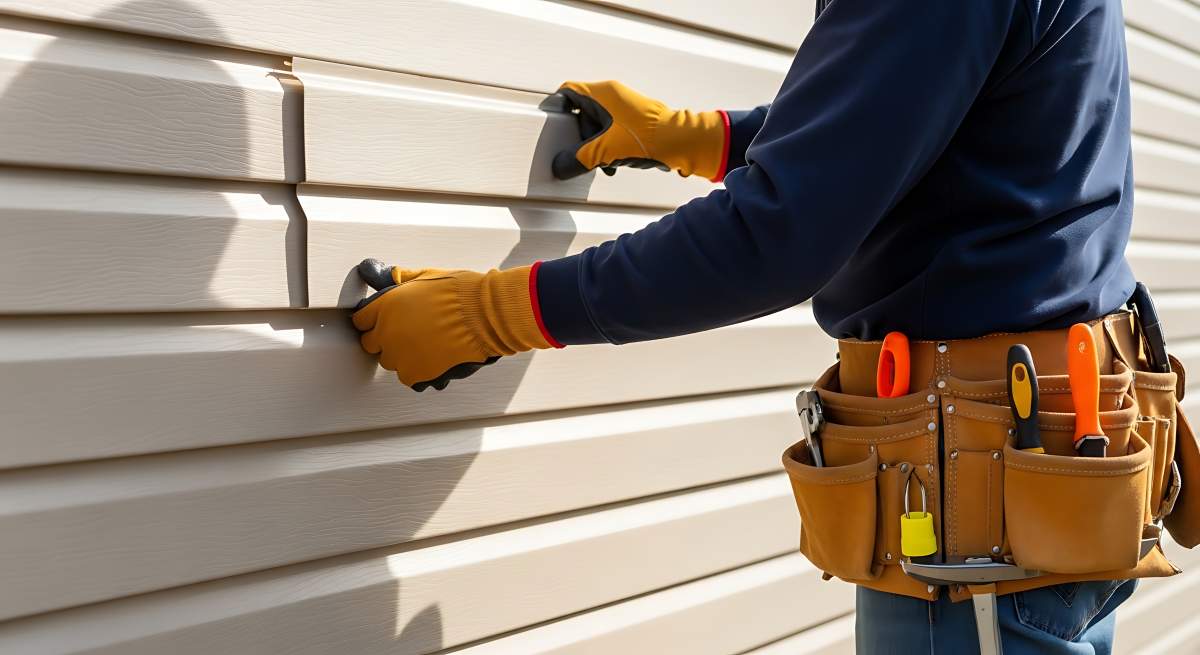
Local homeowners sometimes underestimate the need for written project plans, accurate measurements, or approval of exterior changes from homeowners’ associations. For example, switching siding material or color without proper permissions may cause conflicts or even require redoing the work.
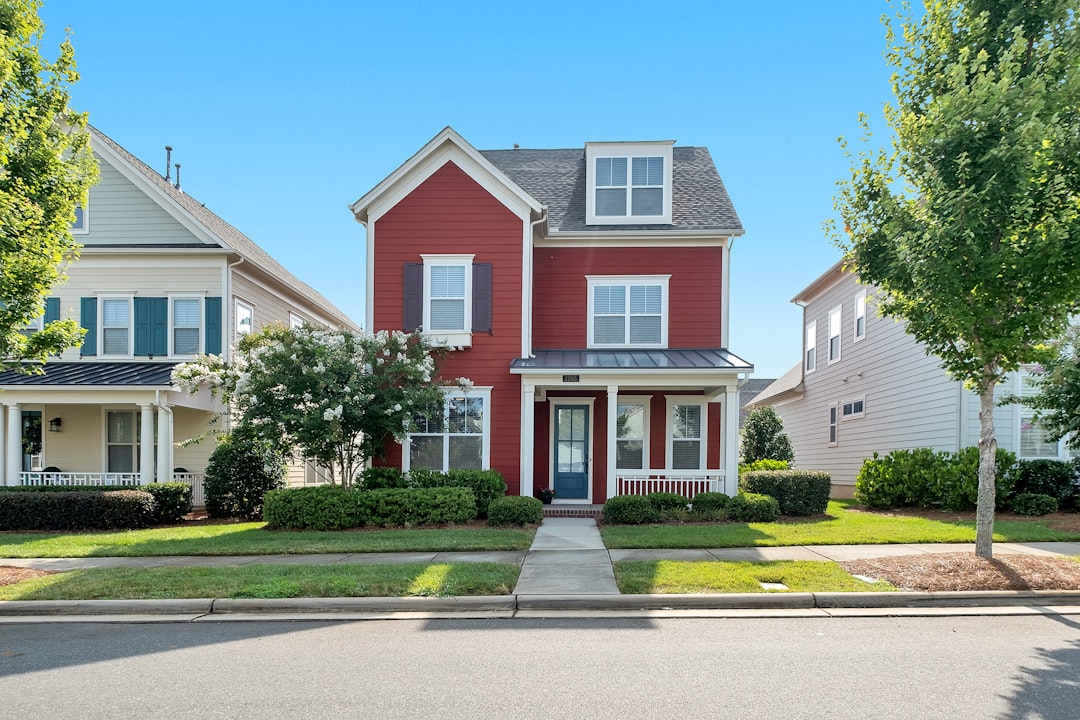
It’s also common for area residents to overlook how changes will look with neighboring homes. In Carmel, some neighborhoods have established aesthetics that are highly valued—ignoring these can diminish curb appeal or spirit of the area.
How Can Weather and Climate Create Remodeling Problems?
Ignoring the regional weather patterns of Carmel can lead to costly mistakes. Projects started without considering the impact of spring storms, humid summers, or freeze-thaw cycles may run into delays or future maintenance issues.
Key issues to watch for in this area include:
- Installing siding or painting during wet or extremely humid days, which can affect material adhesion
- Failing to plan for temperature swings that affect drying times for sealants, adhesives, or paint
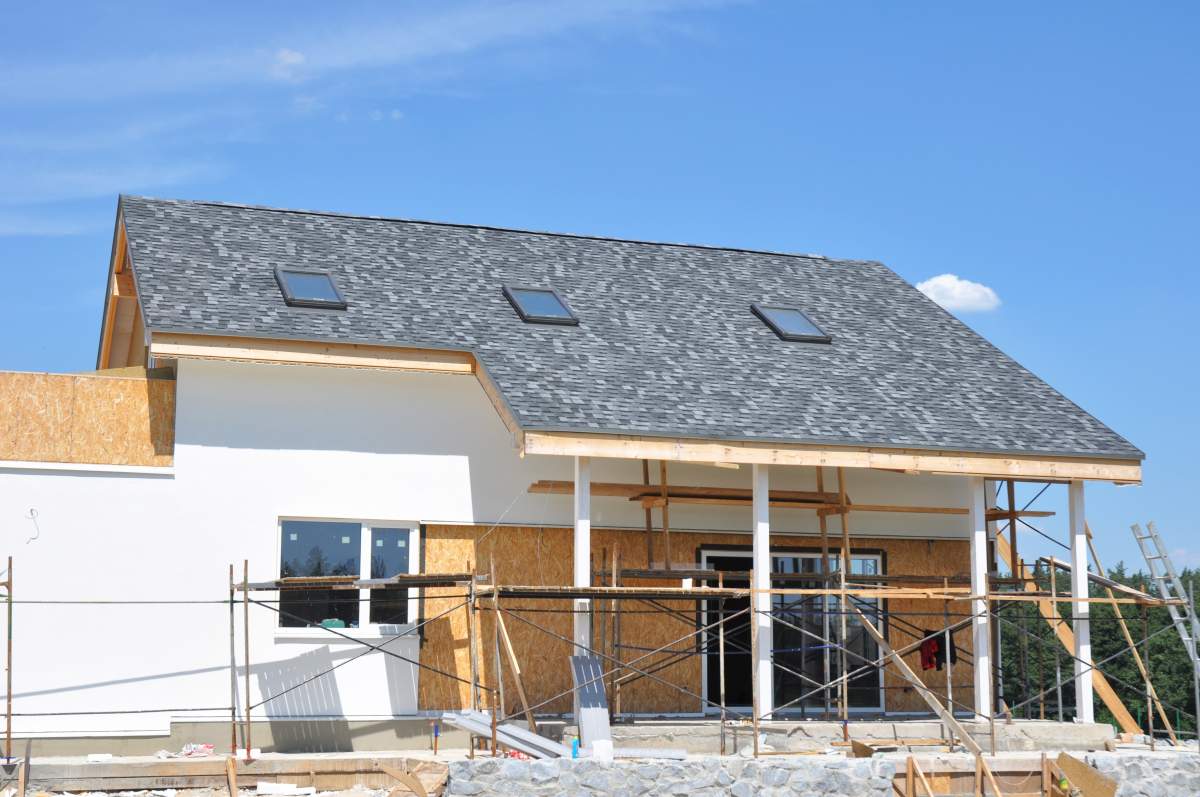
- Scheduling roofing or exterior structural work during periods with a higher risk of rain or wind
Timing work to local weather realities—not just contractor schedules—can help prevent poor results and avoid moisture-related problems later.
Why Do Residents Sometimes Choose the Wrong Materials?
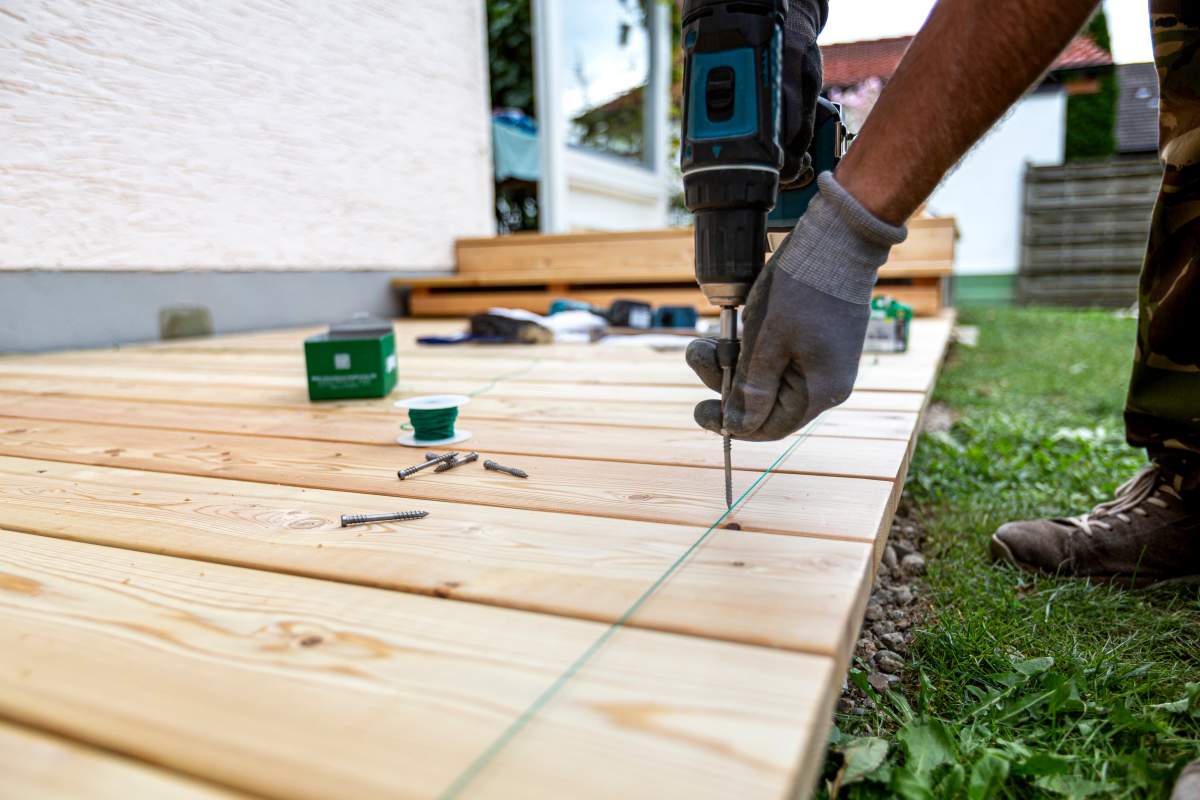
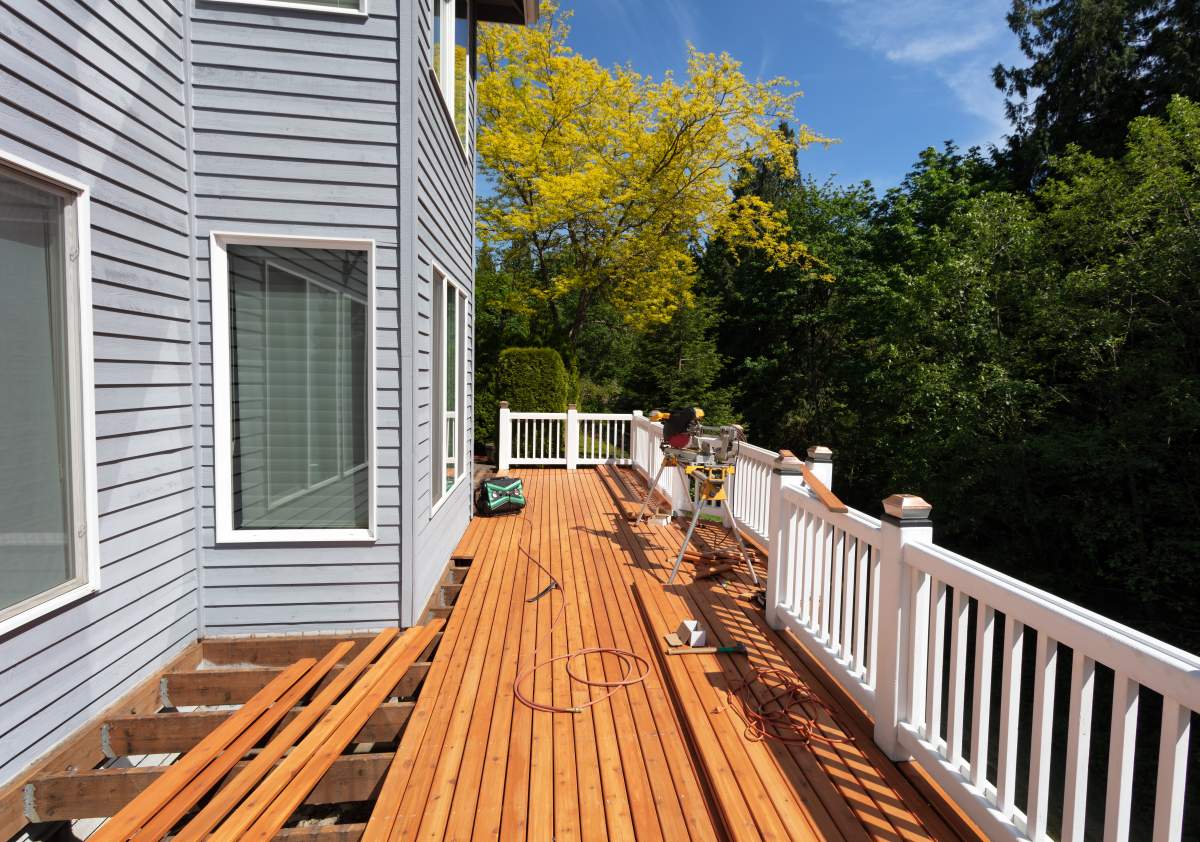
Using products not suited for Carmel’s climate or maintenance needs is a common misstep. For instance, picking untreated wood for deck boards or trim may invite rot or insect activity due to local precipitation and temperature variations. Similarly, opting for the wrong type of roofing can lead to premature aging or leaks after harsh winter weather.
Material warranties may depend on correct installation and compatibility with regional conditions. Sometimes, very modern or trendy products are chosen for their look, but they may not perform well with the freeze-thaw cycles, sunlight exposure, or rainfall common in the area.
How Can Overlooking Details in Ventilation and Drainage Cause Problems?
Ventilation and water management are easy to overlook, yet they’re essential to long-lasting exterior updates in the local environment.
Common oversights:
- Not ensuring attics or roof spaces remain well-ventilated, which may cause ice damming or mold, especially after insulating or reroofing
- Modifying landscaping or patios without respecting grading, which can unintentionally direct runoff toward the house’s foundation
- Failing to extend downspouts or properly slope new hardscapes, leading to water pooling or basement leaks
Given the seasonal rains and heavy clay soils in the region, small errors in drainage can have large consequences for local structures.

What Happens If Regulations or Permits Are Ignored?
Carmel has unique zoning standards and requirements for exterior additions and changes. Homeowners sometimes start projects—like replacing fences, building decks, or changing window sizes—without checking for local permits or compliance rules. This can result in fines, stop-work orders, or the need to reverse completed work. Historic districts or planned communities may have more restrictive guidelines. Even work like new lighting, reworking driveways, or replacing visible exterior doors can fall under local codes that are easy to miss without checking. Researching the city’s website or talking with relevant municipal offices before proceeding is always worthwhile. This also prevents neighbor disputes and keeps property values stable.
Do DIY Projects Often Lead to Mistakes?
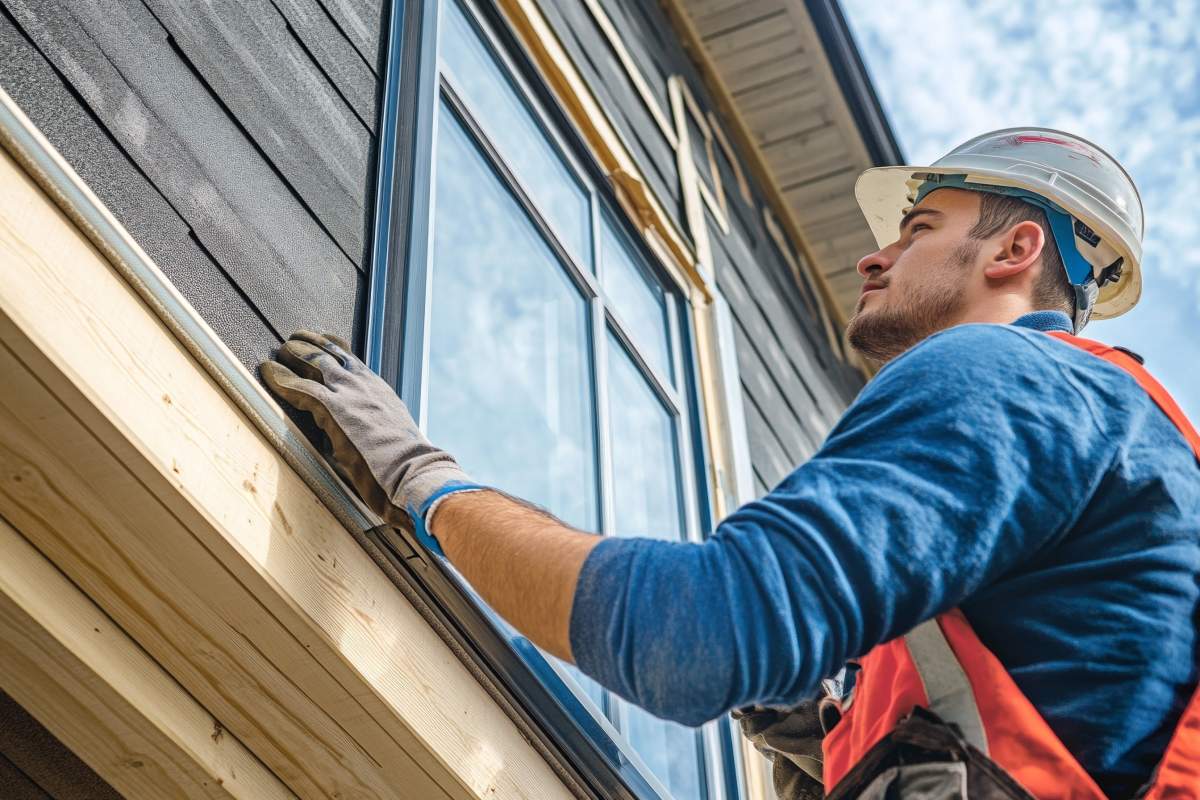
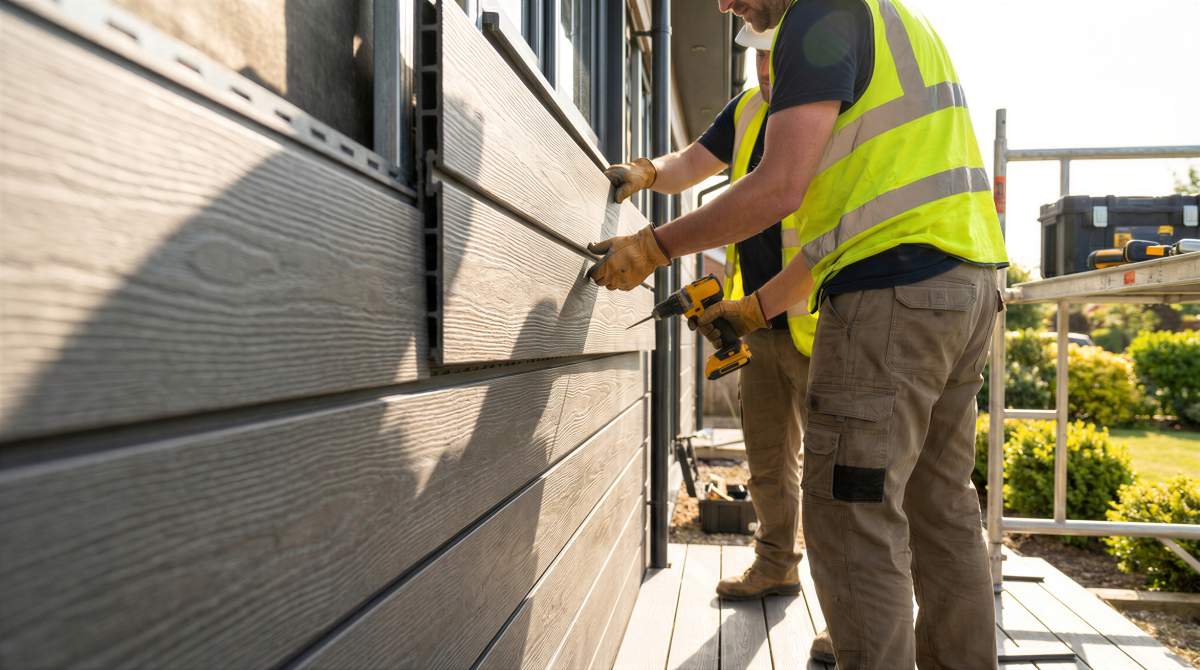
While do-it-yourself efforts are popular, some tasks—especially those involving electrical, structural, or roofing changes—carry safety risks or are more complicated than they appear. Improper installation can create issues that are expensive to remedy later on. Projects like installing windows or redoing cladding often look simpler than they are. Errors, such as poor insulation, incorrectly hung doors, or gaps in weatherproofing, might not be obvious until the next big storm. Residents should realistically consider their own skillsets, time, and comfort, especially for aspects that affect the exterior envelope.
How Do Residents Misjudge Maintenance After Remodeling?
After the excitement of a renovation, it’s easy to underestimate ongoing maintenance needs. New materials—whether wood, composite, brick, or metal—may have their own cleaning, sealing, or inspection requirements. For example, homeowners who install composite decks sometimes assume little upkeep is needed, only to discover problems with mold growth or stains when moisture isn’t quickly removed. The city’s fluctuating seasons mean exterior features should be checked regularly—especially after heavy winter or spring weather. Setting reminders to inspect and maintain new work ensures long-term performance and avoids preventable repairs.
Are There Common Misconceptions About Increasing Home Value?
Some projects are thought to always add resale value in Carmel, but this isn’t guaranteed. Not every exterior update appeals to local buyers or fits the overall design of neighborhoods. For instance, bold color choices, oversized hardscaping features, or highly personalized additions may limit the buyer pool or create additional costs for future owners.
Well-chosen, professionally finished updates typically yield better returns, particularly those that match the expectations and style of local homes. Reviewing what’s typical in your part of the community, and aligning updates with prevailing trends, helps support resale value without over-improving for the area.