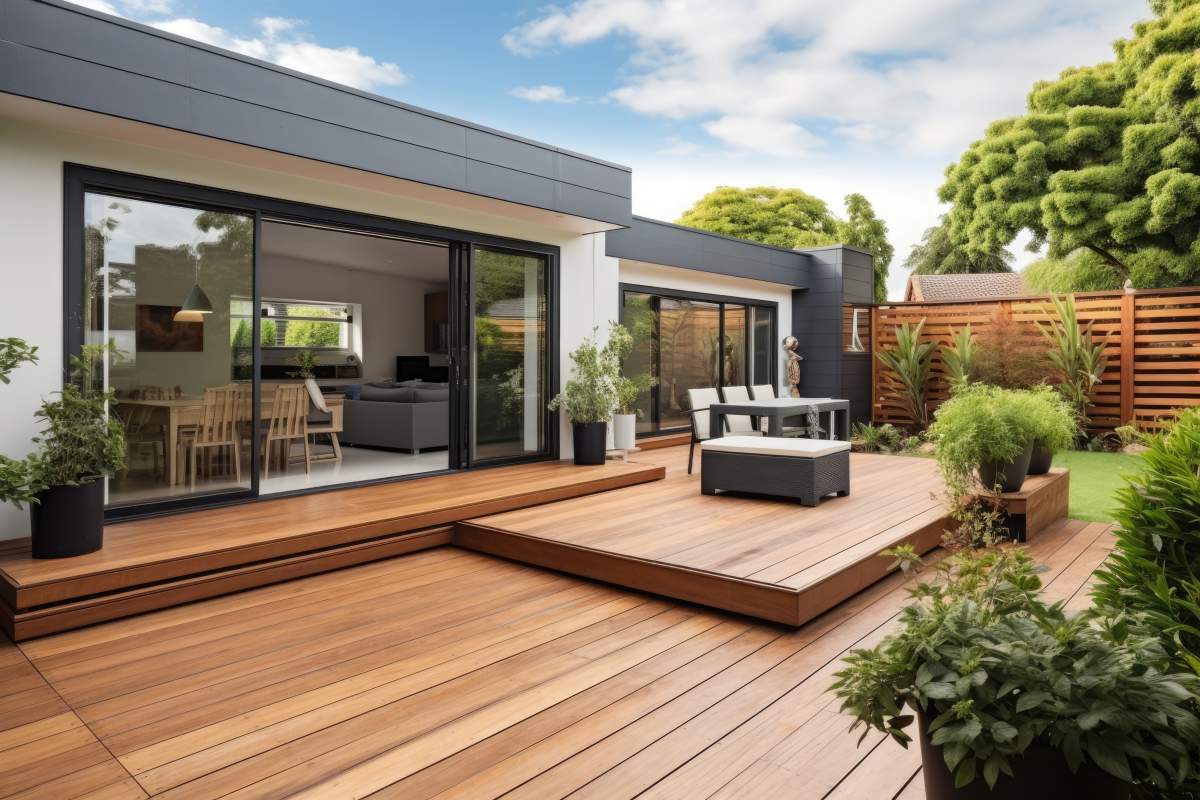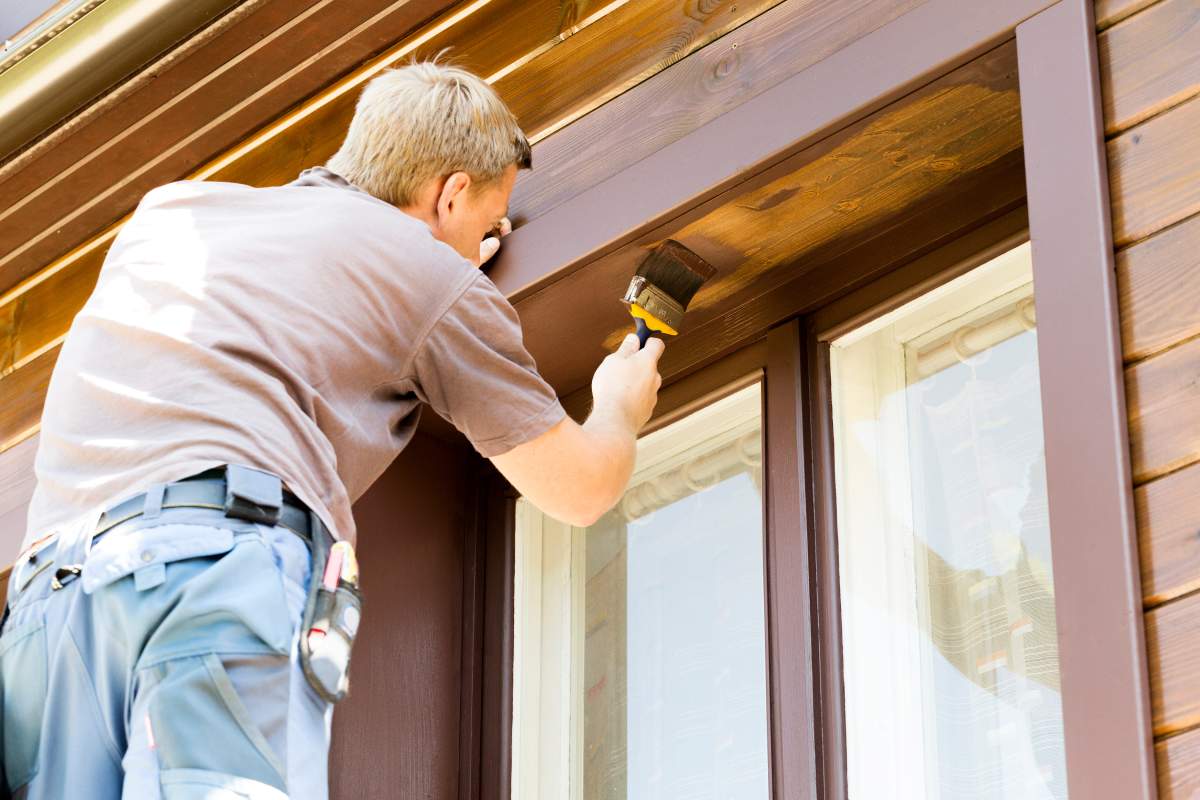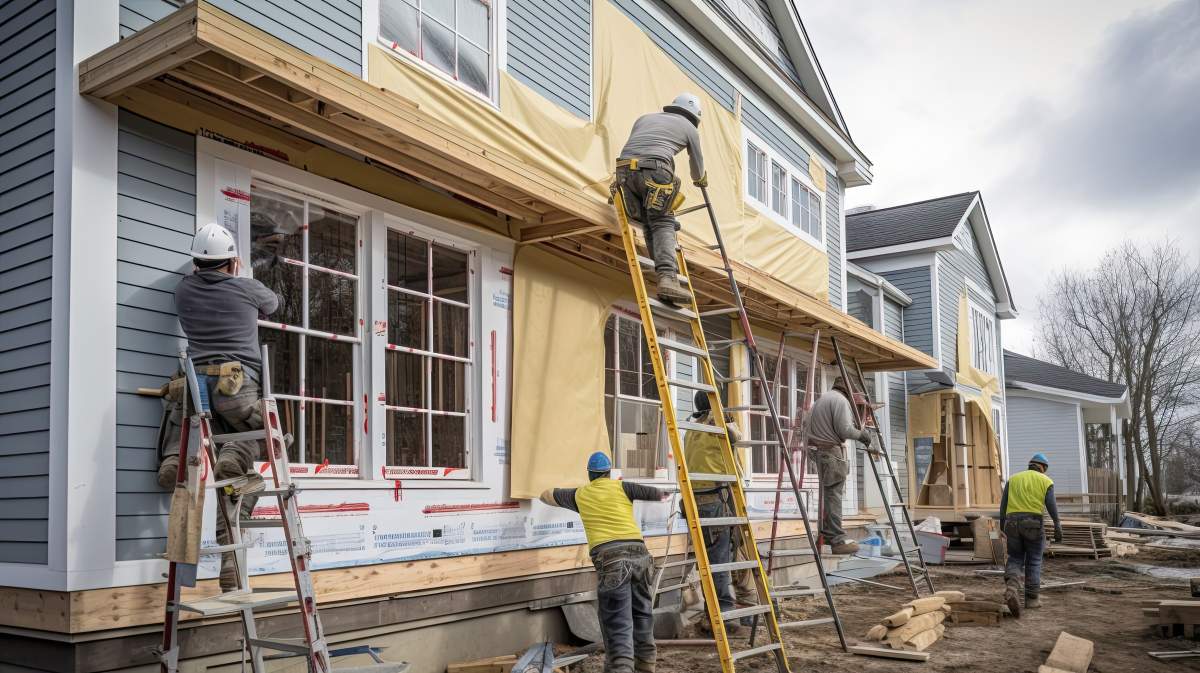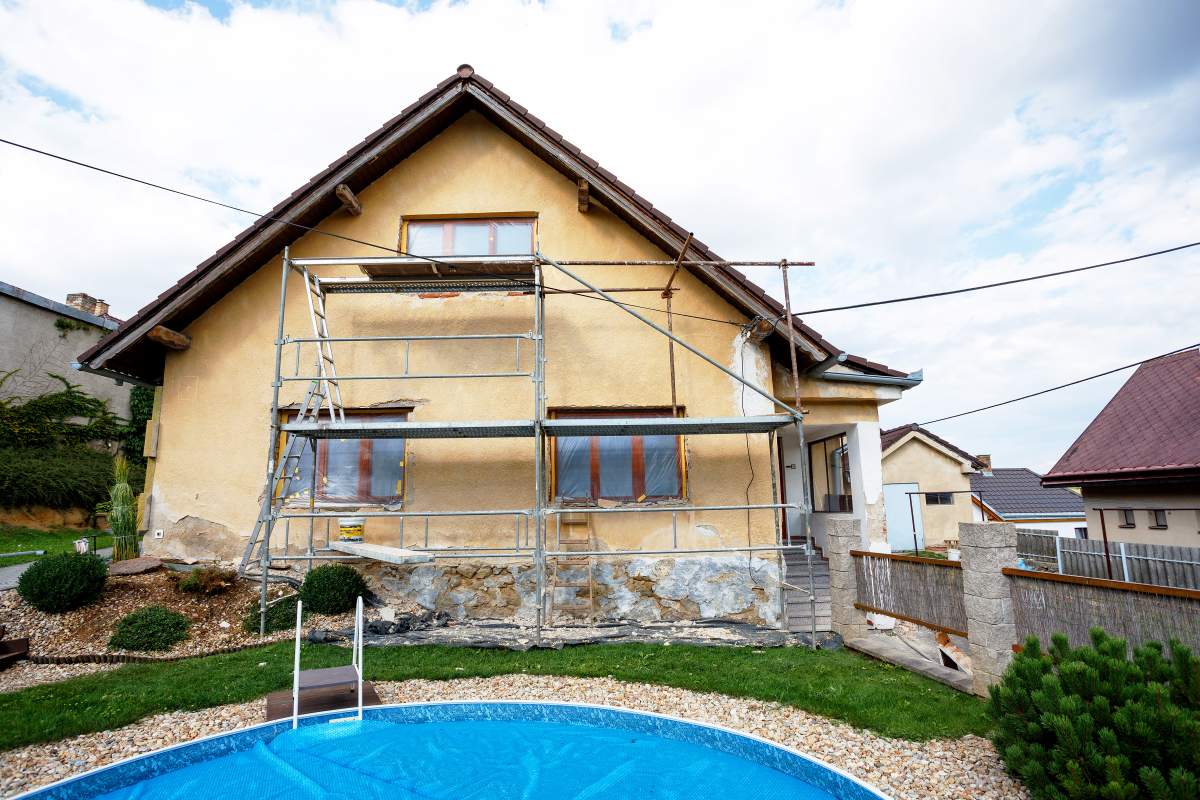



Whether you’re renovating an existing home or building a brand-new property in Carmel, Indiana, construction mistakes can quickly derail your plans and lead to unexpected costs. Homeowners in Central Indiana take pride in well-built, efficient, and visually appealing homes, but factors like weather, soil conditions, and busy schedules can contribute to avoidable errors.
Carmel’s high standards for development and strong property values make it especially important to approach construction with careful planning and attention to detail. Here’s what every Carmel homeowner should know about the most common construction mistakes—and how to avoid them.
Understanding Local Construction Challenges
Carmel’s climate and landscape play a significant role in construction outcomes. With humid summers, cold winters, and varying precipitation levels, homes must be built to withstand seasonal changes. Additionally, Carmel’s mix of established neighborhoods and newer developments requires thoughtful design and construction practices.
Understanding these local factors is the first step in avoiding costly mistakes.
1. Skimping on Site Preparation
Proper site preparation is critical, yet it’s often rushed or overlooked.
- Soil conditions in Central Indiana can require careful grading and compaction
- Poor preparation can lead to foundation issues, drainage problems, and uneven surfaces
How to prevent it:
Work with professionals who understand local soil conditions and insist on proper grading plans and soil testing before construction begins.
2. Ignoring Permits and Building Codes
Skipping permits may seem like a shortcut, but it can lead to serious consequences.
- Unpermitted work can result in fines or project shutdowns
- It may also create complications when selling your home
How to prevent it:
Ensure all required permits are obtained and inspections are completed. Working with experienced professionals familiar with Carmel’s regulations can simplify this process.
3. Poor Communication With Contractors
Miscommunication is a leading cause of project delays and dissatisfaction.
- Unclear expectations can result in incorrect materials or design choices
- Lack of updates can leave homeowners feeling out of control
How to prevent it:
Establish clear communication from the start. Schedule regular updates and document all decisions and changes in writing.
4. Cutting Corners on Materials
Choosing lower-quality materials may reduce upfront costs but often leads to long-term issues.
- Carmel’s climate demands durable materials that can handle temperature fluctuations
- Poor-quality materials can lead to higher maintenance and energy costs
How to prevent it:
Invest in materials designed for the Midwest climate. Prioritize durability, energy efficiency, and long-term performance over short-term savings.
5. Overlooking Proper Drainage
Drainage is a critical factor that is frequently underestimated.
- Poor drainage can lead to water damage, foundation issues, and landscaping problems
- Heavy rains can quickly expose grading flaws
How to prevent it:
Ensure proper grading directs water away from your home. Maintain gutters and consider additional solutions like drainage systems when needed.
6. Inadequate Insulation and Ventilation
Energy efficiency and comfort depend heavily on proper insulation and airflow.
- Insufficient insulation can lead to higher utility bills
- Poor ventilation can cause moisture buildup and long-term damage
How to prevent it:
Use appropriate insulation materials and ensure ventilation systems are properly designed. Focus on attics, basements, and crawl spaces.
7. Failing to Plan for Future Needs
A home should evolve with your lifestyle.
- Lack of planning can limit functionality over time
- Future renovations can become more costly if not anticipated
How to prevent it:
Incorporate flexible design elements such as adaptable spaces, additional storage, and accessibility features. Planning ahead adds long-term value.
8. Rushing the Construction Timeline
Trying to speed up construction often leads to mistakes.
- Weather conditions can impact scheduling
- Rushed work may compromise quality
How to prevent it:
Build flexibility into your timeline and allow for seasonal delays. Prioritize quality over speed.
9. Inadequate Electrical and Plumbing Planning
Modern homes require thoughtful infrastructure planning.
- Insufficient outlets or poorly placed fixtures can limit functionality
- Lack of planning for technology needs can reduce convenience
How to prevent it:
Plan for current and future needs. Include additional outlets, consider smart home integration, and design systems with flexibility in mind.
What to Do If You Spot a Problem
Even with careful planning, issues can arise. Acting quickly can minimize impact.
- Communicate concerns immediately with your contractor
- Document the issue with photos and notes
- Seek professional input if needed
- Review your contract for warranty and resolution options
Addressing problems early helps prevent them from becoming larger, more expensive issues.
Final Thoughts: Build Smart in Carmel
Avoiding common construction mistakes is one of the best ways to protect your investment and ensure your home meets your expectations. Carmel’s commitment to quality living and well-planned communities makes it an excellent place to build or renovate—but it also requires careful attention to detail.
By focusing on proper preparation, clear communication, and long-term planning, you can create a home that is comfortable, efficient, and built to last. Taking the time to do things right from the start pays off in both value and peace of mind.