


If you’re planning a home improvement project in Carmel, Indiana, you’ve likely come across the term building permit. Whether you’re finishing a basement, adding a sunroom, building a deck, or installing a fence, understanding when and why you need a permit is essential. Not only does it help ensure your project meets local codes and safety standards, but it also protects your investment and prevents costly issues down the road.
Carmel is known for its thoughtful planning and high-quality development standards, which makes the permitting process an important part of maintaining the city’s overall character and safety. Here’s what every homeowner should know before getting started.
What Is a Building Permit?
A building permit is an official approval issued by a local government agency that allows you to begin construction or renovation on your property. In Carmel, permits are managed through city and county departments responsible for enforcing building codes, zoning regulations, and safety requirements.
These permits ensure that any work done on your home meets established standards designed to protect homeowners, neighbors, and the broader community.
Why Do You Need a Building Permit?
Obtaining a building permit may seem like an extra step, but it provides several important benefits:
Safety
Permits ensure that construction is completed according to established safety codes, reducing risks to your household and surrounding properties.
Legal Compliance
Skipping the permit process can result in fines, stop-work orders, or even the requirement to remove completed work.
Insurance Protection
Insurance companies may deny claims related to unpermitted work, leaving you financially exposed.
Property Value
Permitted improvements are documented in official records, which can increase your home’s resale value and provide reassurance to future buyers.
When Do You Need a Building Permit in Carmel?
While requirements can vary depending on the scope of your project, many common home improvements require permits in Carmel.
Projects that typically require a permit include:
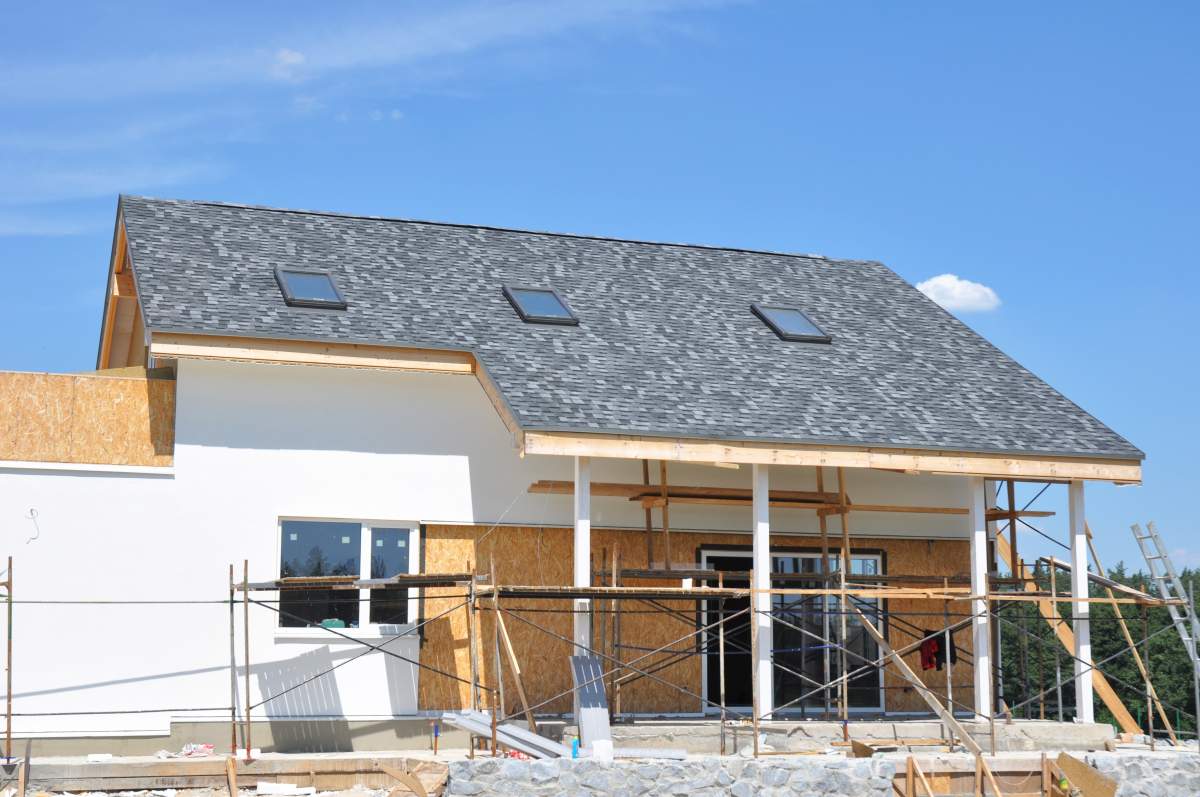
- Home additions such as sunrooms, garages, or extra living space
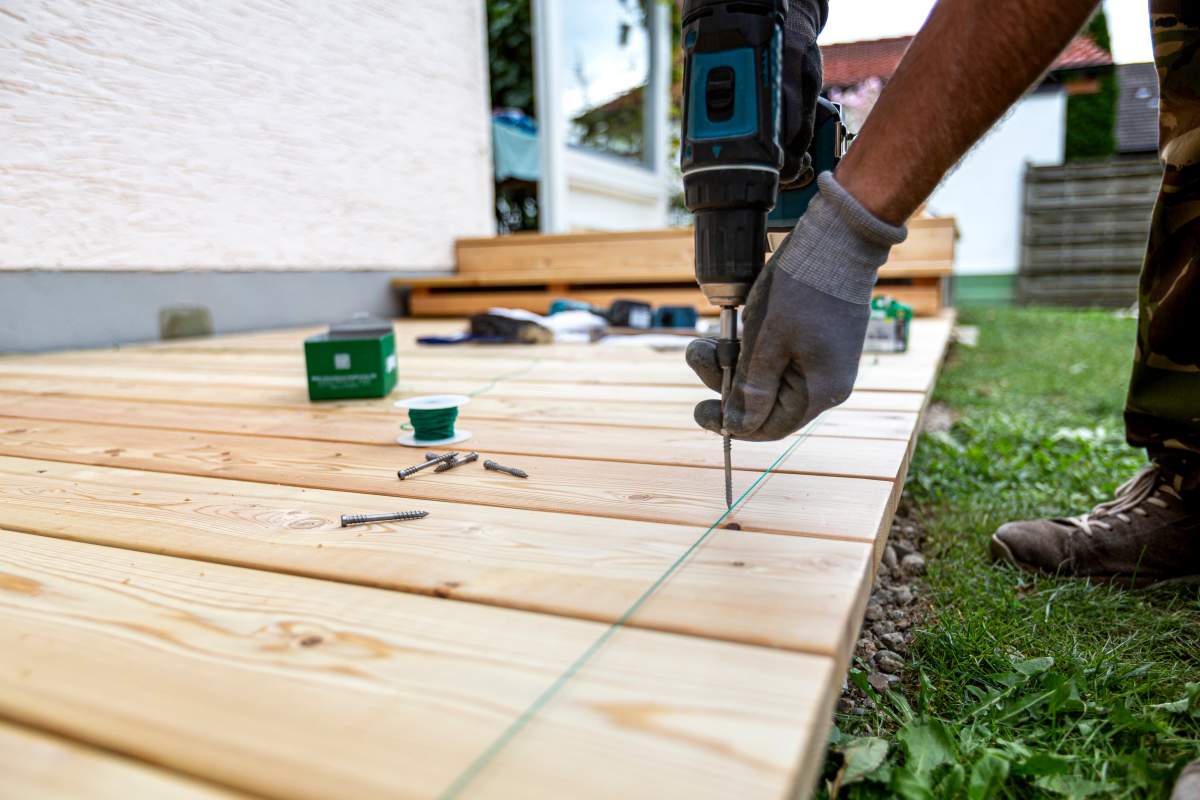
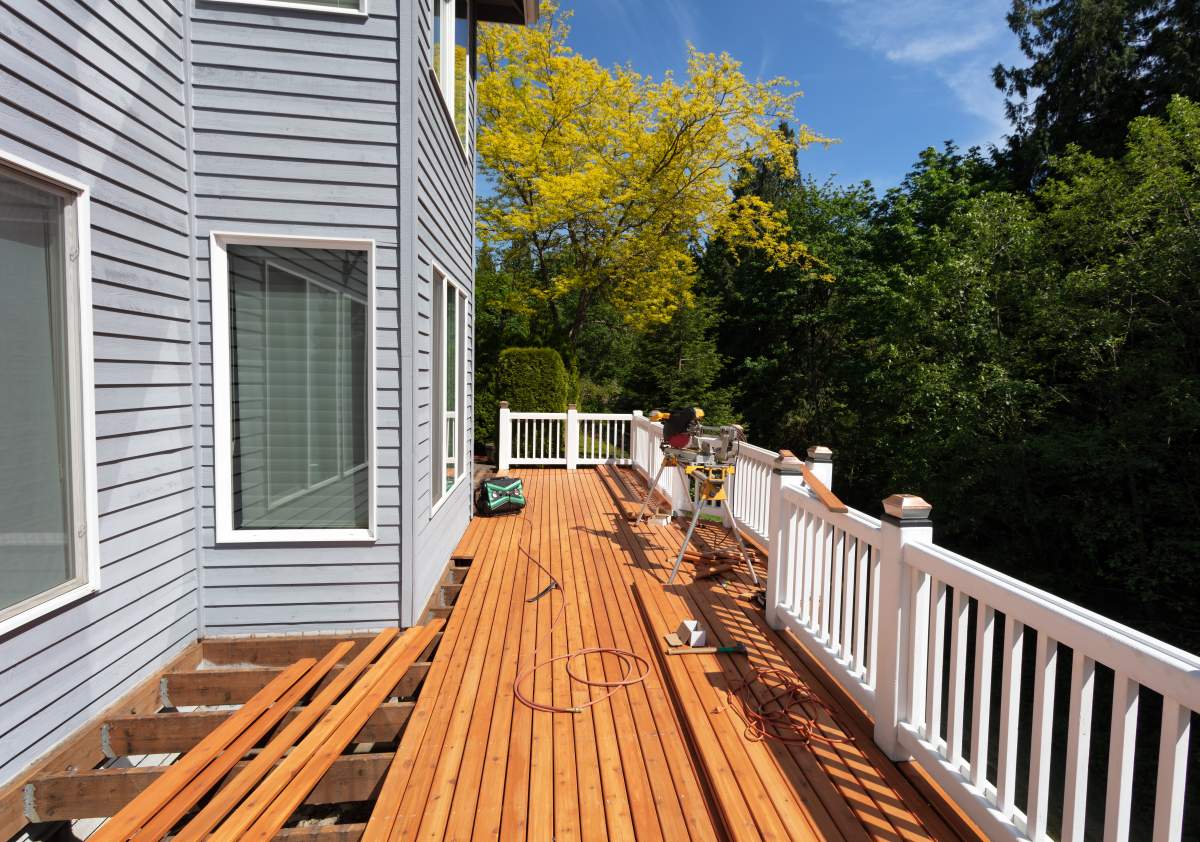
- Decks, porches, and outdoor structures
- Basement finishing or major remodeling
- Structural changes, including removing or adding walls
- Electrical, plumbing, or HVAC upgrades
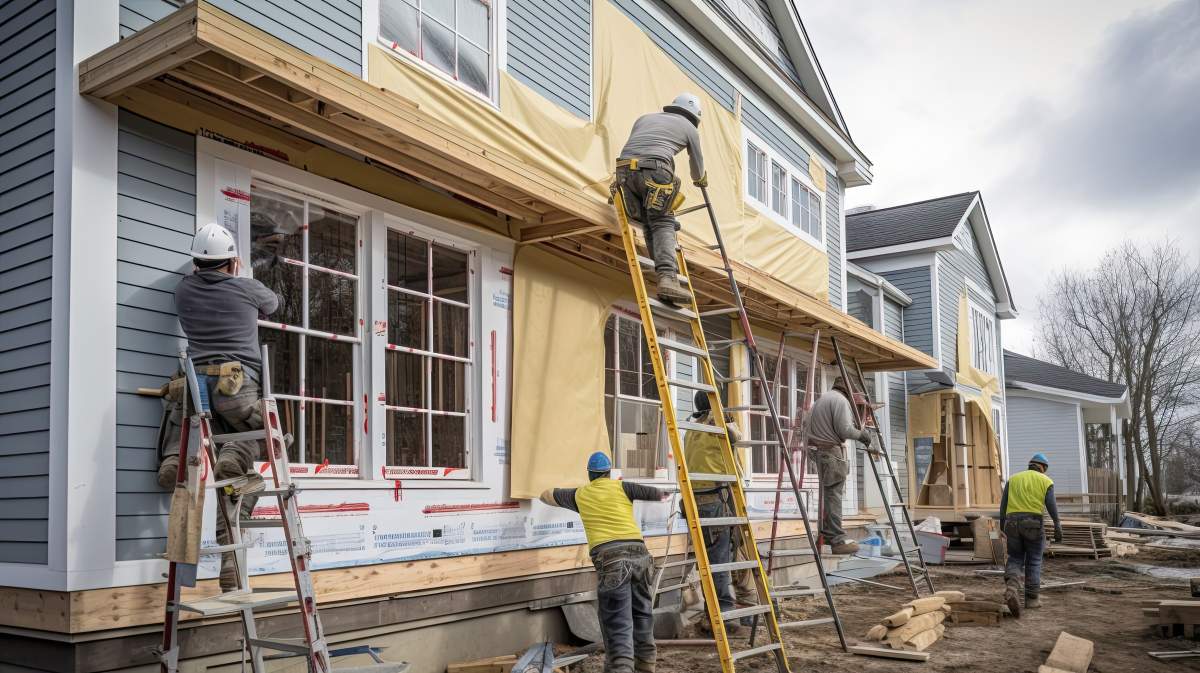
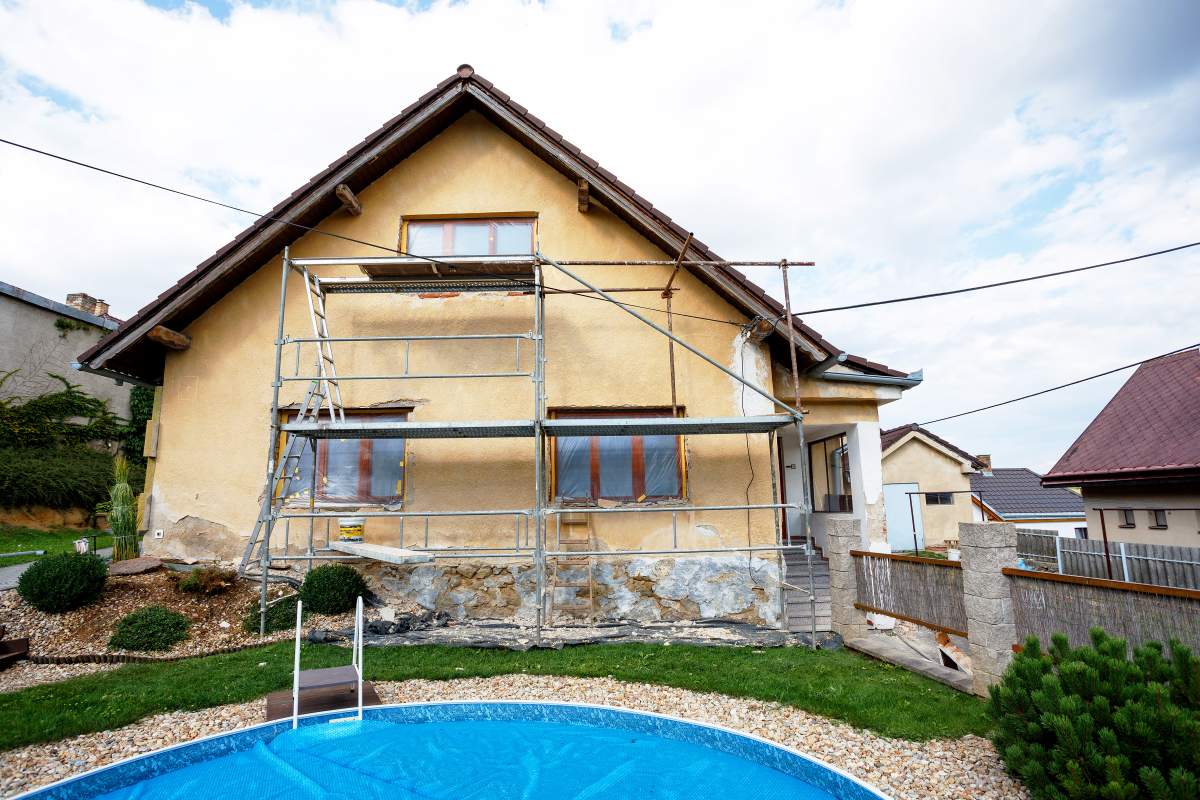
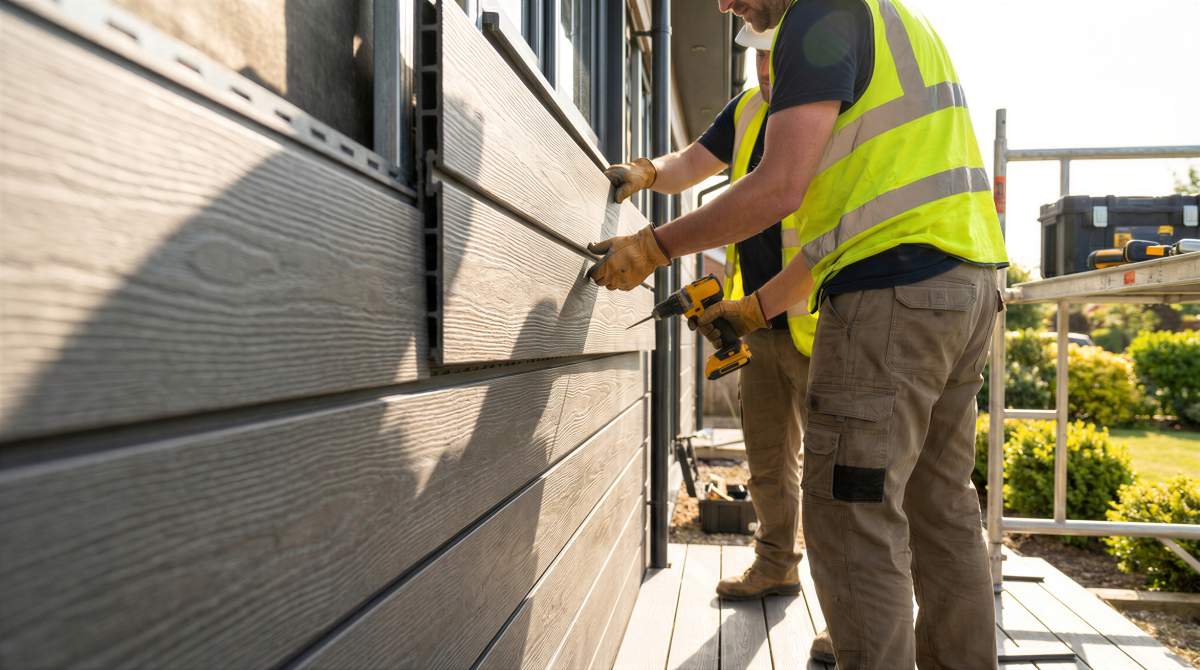
- Roofing or siding replacements
- Installation of pools, fences, or sheds (depending on size and specifications)
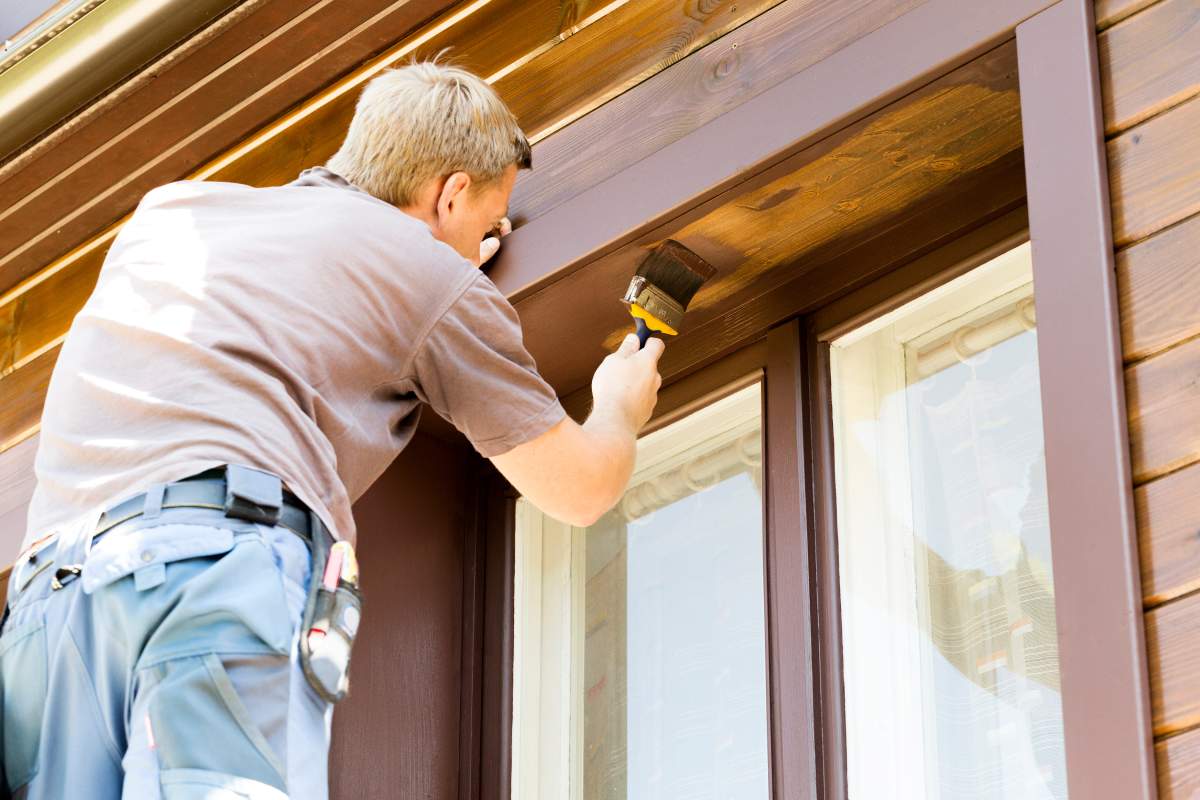
Minor cosmetic updates—like painting, flooring installation, or cabinet replacement—usually do not require permits. However, when in doubt, it’s always best to confirm with local authorities before beginning work.
How to Get a Building Permit in Carmel
The permitting process may seem complex, but breaking it into steps can make it more manageable.
1. Plan Your Project
Start by outlining your goals and preparing drawings or plans. The more detailed your plans, the smoother the review process will be.
2. Submit Your Application
Applications are typically submitted through the appropriate city or county department. You may need to provide:
- Project plans or blueprints
- Contractor information (if applicable)
- Site details or surveys
3. Plan Review
Your application will be reviewed to ensure it complies with building codes and zoning requirements. Revisions may be requested if adjustments are needed.
4. Permit Approval
Once approved, you’ll receive your permit. Construction should not begin until this step is complete.
5. Inspections
During construction, inspections are required at various stages to confirm work meets approved standards.
6. Final Approval
After passing all inspections, your project is officially approved and recorded.
Common Questions About Building Permits
Do I Need a Permit If I’m Doing the Work Myself?
Yes. Even if you’re handling the project on your own, permits are required for most major work. DIY projects must meet the same standards as professional construction.
How Much Does a Permit Cost?
Costs vary depending on the size and complexity of your project. Smaller permits are generally more affordable, while larger projects involve higher fees due to additional review and inspection requirements.
What Happens If I Skip the Permit?
Working without a permit can lead to serious consequences, including:
- Fines and penalties
- Required removal or rework of completed construction
- Delays in selling your home due to lack of proper documentation
Why Permits Matter in Carmel
Carmel’s reputation for well-maintained neighborhoods, strong property values, and high-quality development is supported by its permitting and inspection processes. These systems ensure that every project—large or small—contributes positively to the community.
Homeowners in Carmel often invest in upgrades such as home offices, outdoor living spaces, and energy-efficient improvements. Following proper permitting procedures ensures these upgrades are safe, compliant, and beneficial in the long term.
Tips for a Smooth Permit Process
To make your experience as efficient as possible:
- Start Early: Build permit timelines into your project schedule
- Be Thorough: Provide clear, detailed plans with your application
- Ask Questions: Local offices are there to help guide you
- Keep Records: Save all documents, permits, and inspection reports
- Work With Professionals: Experienced contractors can help navigate the process
Conclusion: Build Smart, Build Safely
Understanding building permits is a key part of any successful home improvement project in Carmel, Indiana. While the process may require time and attention, it ultimately protects your home, your finances, and your peace of mind.
By planning ahead, following local guidelines, and staying organized, you can move forward with confidence—knowing your project is built on a solid foundation of safety and compliance.
Whether you’re making small updates or undertaking a major renovation, taking the time to secure the proper permits ensures your investment is protected and your home continues to meet the high standards that define the Carmel community.