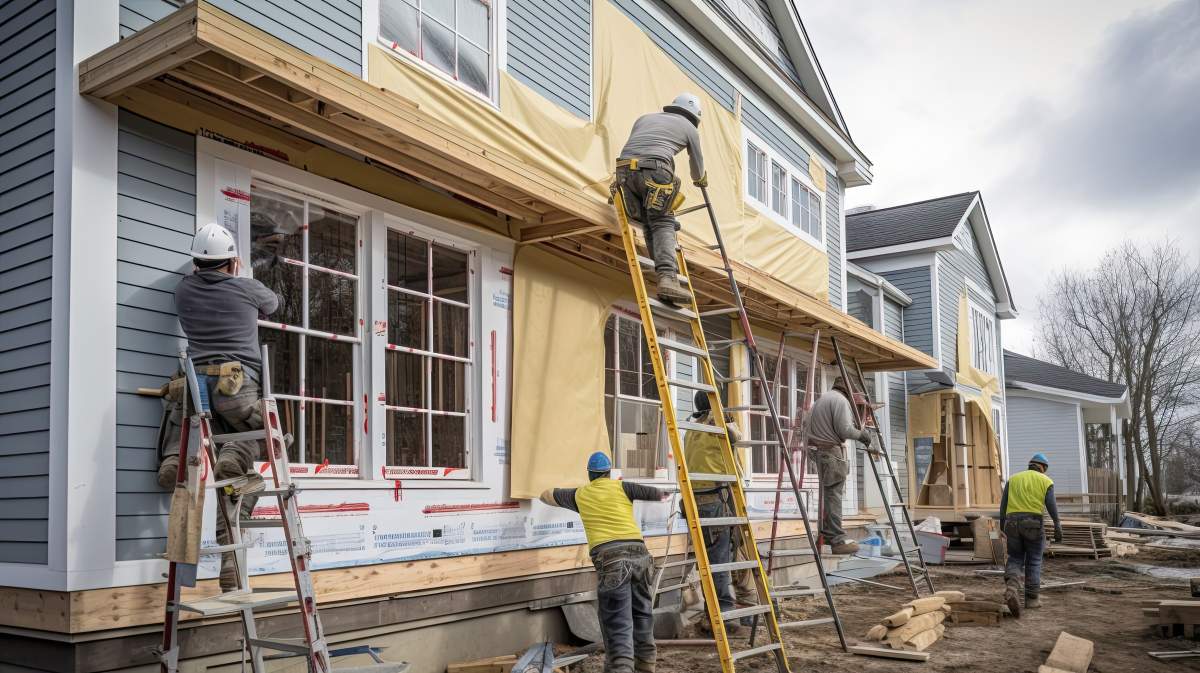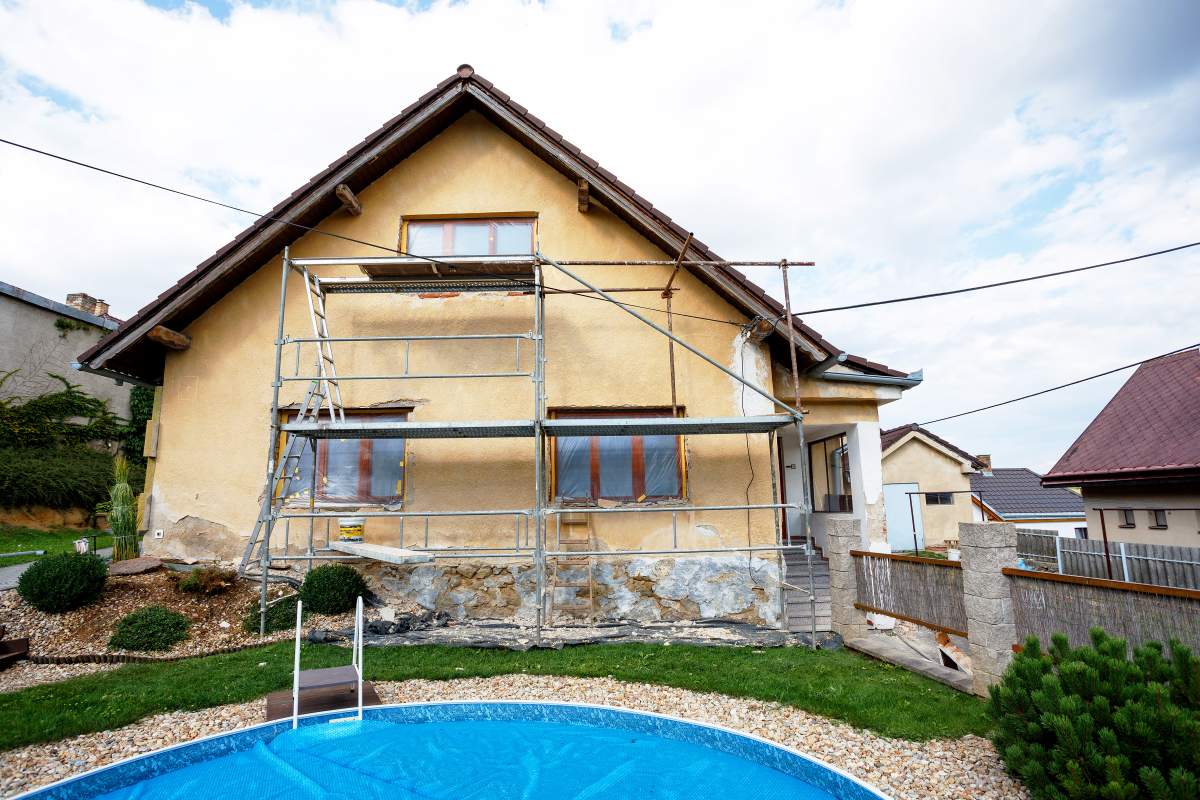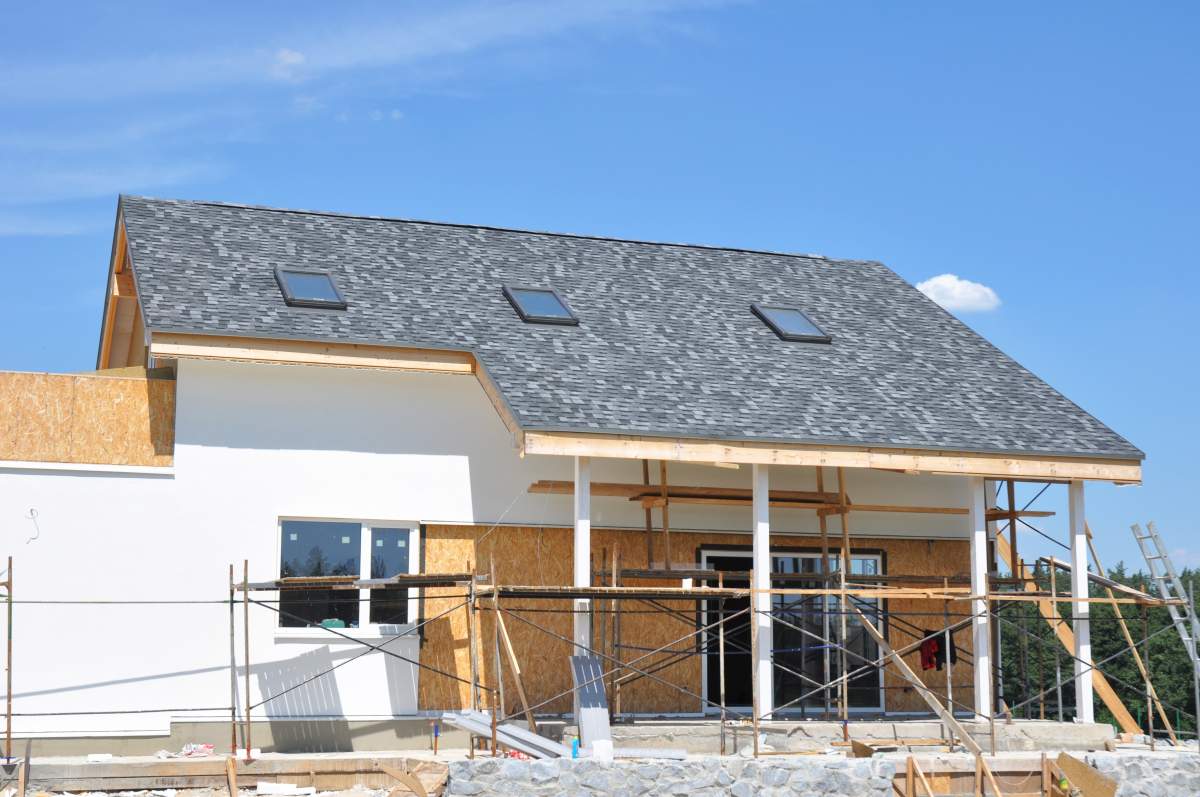




Starting a construction or renovation project comes with a mix of excitement and responsibility. In Carmel, Indiana—where thoughtful development and high-quality homes are the standard—understanding building permits is one of the most important early steps in the process. Before any work begins, knowing when permits are required and how they work can save time, prevent costly mistakes, and ensure your project moves forward smoothly.
While permits are sometimes viewed as an extra hurdle, they are actually a key part of protecting your home, your investment, and the broader community.
What a Building Permit Is—and Why It Matters
A building permit is an official approval issued by a local authority that allows you to begin construction, renovation, or structural changes. It confirms that your project meets established building codes, zoning requirements, and safety standards.
In Carmel, this process plays a major role in maintaining the quality and consistency of neighborhoods. Permits ensure that homes are built and updated in ways that are safe, structurally sound, and aligned with community expectations.
More importantly, they provide protection for homeowners. Proper permitting helps prevent issues related to electrical systems, plumbing, and structural integrity—areas where mistakes can become costly if left unchecked.
Why Permits Are Essential for Homeowners
Taking the time to secure the proper permits offers several long-term benefits. It ensures that your project meets safety standards, which is especially important in a region with seasonal weather changes that can affect materials and construction methods.
Permits also help protect your property value. When it comes time to sell or refinance, documentation showing that work was completed properly can make a significant difference. Many buyers and lenders look for this assurance before moving forward.
Equally important, permits help you avoid legal and financial risks. Projects completed without approval can lead to fines, delays, or even the requirement to remove completed work. In some cases, insurance coverage may be affected if unpermitted work is involved.
Projects That Typically Require Permits
In Carmel, many common home improvement projects require permits—particularly those that involve structural or system changes.
These often include:
- Building additions or expanding existing living space
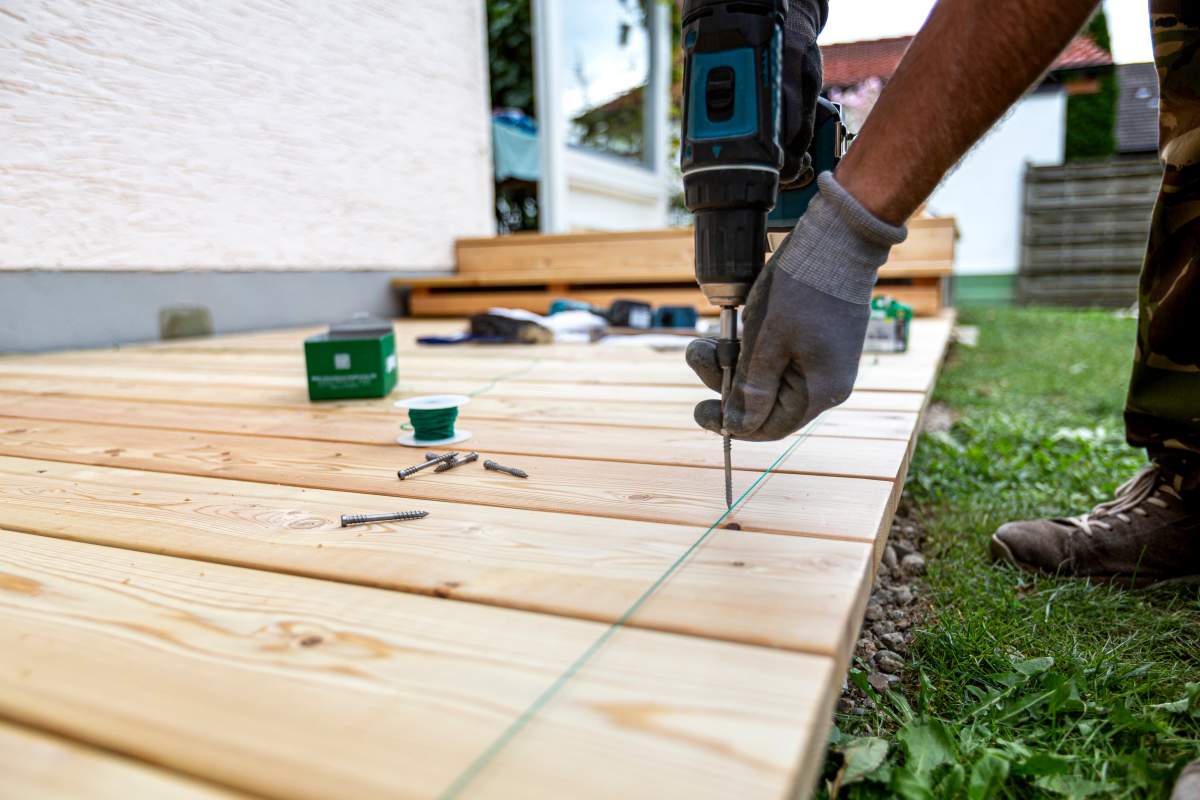
- Constructing decks, porches, or larger outdoor features
- Finishing basements or remodeling kitchens and bathrooms
- Updating electrical, plumbing, or HVAC systems
- Replacing roofing or making structural repairs
Smaller cosmetic updates—like painting, flooring, or cabinetry—generally do not require permits. However, projects can quickly move beyond “cosmetic” once systems or structural elements are involved, so it’s always worth confirming requirements before starting.
Understanding the Permitting Process
The permitting process in Carmel is designed to guide projects from planning through completion in a way that ensures safety and compliance. While the exact steps may vary depending on the project, the overall process follows a consistent path.
It typically begins with preparing your project plans and submitting an application. These plans are then reviewed by local officials to confirm they meet building codes and zoning requirements. Once approved, the permit is issued, allowing construction to begin.
Throughout the project, inspections are conducted at key stages to verify that work is being completed correctly. After all inspections are passed, final approval is granted, confirming that your project meets all requirements.
Although this process may seem detailed, it helps prevent costly corrections later and ensures everything is done properly from the start.
What Happens If You Skip a Permit
Skipping permits might seem like a way to save time, but it often leads to bigger problems. In Carmel, unpermitted work can result in stop-work orders that delay your project and increase costs.
There is also the risk of fines, along with the possibility that completed work may need to be removed or redone to meet code requirements. These issues can become especially complicated when selling your home, as buyers and inspectors may flag unapproved changes.
Taking the proper steps upfront is almost always more efficient than dealing with these challenges later.
Local Considerations in Carmel
Carmel’s growth and development have led to a strong emphasis on planning and consistency. Many neighborhoods include HOA guidelines or design standards that work alongside city regulations.
Homeowners should be aware that:
- Permitting requirements may vary based on location and project type
- Inspections are a standard part of the process and should not be skipped
- Responsibility for permits often falls on the homeowner, even if a contractor is involved
Working with professionals who understand local expectations can help streamline the process and avoid delays.
Tips for a Smoother Experience
Approaching the permitting process with preparation makes a noticeable difference. Starting early allows time for review and approval before construction begins, reducing the risk of delays.
Clear communication with your contractor is also essential. Make sure responsibilities for permits, inspections, and documentation are clearly defined from the beginning. Keeping organized records of approvals and inspections will also prove valuable down the line.
Above all, don’t hesitate to ask questions. Local offices are there to help guide you through the process and ensure your project meets all requirements.
Final Thoughts: Build the Right Way From the Start
Building permits are a foundational part of any successful construction or renovation project in Carmel, Indiana. While they may add an extra step at the beginning, they ultimately protect your home, your finances, and your peace of mind.
By understanding how permits work, planning ahead, and following local requirements, you can move forward with confidence—knowing your project is built on a solid foundation. In a community known for quality and thoughtful design, doing things the right way from the start ensures your investment will stand the test of time.