


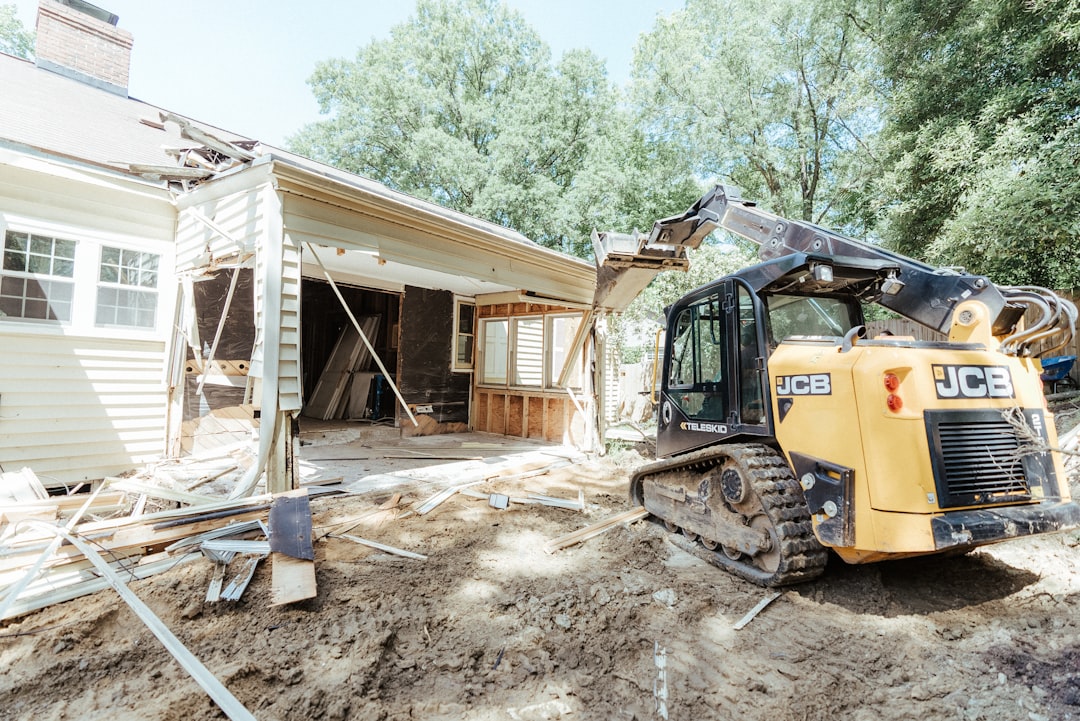
If you’re a homeowner in Carmel, Indiana, planning to update your kitchen, finish your basement, or modernize a bathroom, one of the most important steps—before even contacting a contractor—is setting a realistic and well-structured budget. Remodeling projects can dramatically improve your home’s comfort, functionality, and value, but costs can escalate quickly without proper planning.
Carmel’s strong housing market, high-quality construction standards, and diverse range of home styles make budgeting especially important. Here’s a step-by-step guide to help you plan a successful remodel while staying financially on track.
Why Careful Budgeting Matters
A home remodel is often one of the largest investments you’ll make in your property. Without a clear budget:
- Costs can quickly exceed expectations
- Unexpected issues may strain your finances
- Projects can stall before completion
Carmel homeowners value thoughtful planning and long-term value, making careful budgeting a critical part of any renovation.
Step 1: Define Your Remodeling Goals
Start by clearly identifying what you want to achieve.
- Are you remodeling for comfort, functionality, or resale value?
- Which areas of your home need the most attention?
- What features are essential versus optional?
Carmel homes often balance timeless design with modern convenience, so focusing on both aesthetics and practicality can guide your decisions.
Step 2: Research Local Costs
Remodeling costs vary based on location, project size, and material choices. Carmel’s market may differ from surrounding areas due to demand and development standards.
- Visit local showrooms to explore pricing and materials
- Talk to neighbors who have recently completed renovations
- Review contractor estimates to understand current market rates
Doing local research helps you build a more accurate and realistic budget.
Step 3: Break Down Your Budget Categories
A comprehensive budget should include all major components of your project:
- Materials and Finishes: Cabinets, countertops, flooring, fixtures, and paint
- Labor: Contractors, electricians, plumbers, and specialists
- Permits and Inspections: Required for many projects in Carmel
- Design Fees: If working with architects or designers
- Contingency Fund: Set aside 10–20% for unexpected expenses
Older homes or complex projects may require additional flexibility in your budget.
Step 4: Collect and Compare Estimates
Gather multiple quotes to understand pricing and identify the best value.
- Request at least three detailed, written estimates
- Compare timelines, materials, and scope of work
- Be cautious of unusually low bids, which may indicate missing details
Carmel’s competitive remodeling market makes it important to evaluate both cost and quality.
Step 5: Prioritize Your Wish List
Once you understand the costs, refine your project scope.
- Separate must-have features from optional upgrades
- Consider phasing the project if needed
- Focus on improvements that add long-term value
Energy-efficient upgrades are especially valuable in Indiana’s climate and can reduce future utility costs.
Step 6: Explore Financing Options
Depending on the size of your project, financing may be necessary.
Common options include:
- Savings or home equity
- Home equity lines of credit (HELOCs)
- Renovation loans through financial institutions
Carefully evaluate interest rates, fees, and repayment terms before committing.
Step 7: Plan for Permits and Inspections
Many remodeling projects in Carmel require permits, particularly those involving structural, electrical, or plumbing work.
- Include permit fees in your budget
- Ensure inspections are completed as required
- Work with professionals who understand local regulations
Proper permitting protects your investment and ensures compliance.
Step 8: Prepare for the Unexpected
Even the best-planned projects can encounter surprises.
- Hidden issues such as outdated wiring or plumbing may arise
- Material delays or changes can impact costs
A contingency fund helps you manage these challenges without derailing your project.
Step 9: Consider the Impact on Your Daily Life
Remodeling can temporarily disrupt your routine.
- Plan for alternative living arrangements if needed
- Account for additional expenses such as dining out or temporary storage
- Create a plan to maintain productivity if working from home
Factoring in these lifestyle changes helps reduce stress during the project.
Step 10: Track Expenses Throughout the Project
Once construction begins, stay actively involved in managing your budget.
- Monitor spending regularly
- Keep detailed records of all expenses
- Communicate with your contractor about any changes
Staying organized ensures you remain in control of your project from start to finish.
Final Thoughts
Budgeting for a home remodel in Carmel, Indiana, is about more than just numbers—it’s about ensuring your investment delivers lasting value and enhances your quality of life. With careful planning, local research, and a clear understanding of costs, you can complete your project with confidence.
Carmel’s commitment to quality living and thoughtful design makes it an ideal place to invest in home improvements. By taking a strategic approach to budgeting, you can transform your home into a space that meets your needs while staying financially sound.