


What Does Exterior Water Damage Look Like in Carmel, IN?
Water damage on a home’s exterior often shows up as peeling paint, warped siding, stains, or rotted trim. In Carmel, IN, the combination of seasonal rain, heavy snow, freeze/thaw cycles, and summer humidity means that local homes are especially prone to moisture-related issues.
Signs to watch for include:
- Paint that blisters or bubbles, especially around trim, windows, or door frames
- Wood that feels soft, spongy, or crumbles when touched
- Mold or mildew growth on siding, soffits, or in corner seams
- Water stains or dark streaks running down walls
- Warped or buckling wood or vinyl siding panels
Sometimes water damage isn’t obvious at first glance. In Carmel’s climate, problems can develop under siding or behind exterior trim, particularly after prolonged rain or melting ice dams.
Why Does Water Damage Happen to Home Exteriors?
Water finds its way into homes through a mix of surface exposure, structural vulnerabilities, and sometimes even improper gutter or downspout function. In this region, freeze/thaw cycles can widen existing cracks, and wind-driven rain can exploit even small imperfections in siding or flashing.
Specific contributing factors:
- Clogged or misaligned gutters and downspouts
- Aging or poorly sealed caulking around windows, doors, and joints
- Damaged or missing flashing at roof edges, dormers, or where different materials meet
- Settling or slight shifts in the home’s foundation resulting in small gaps
- Lack of overhangs or splashback from adjacent hardscaping
Seasonal weather in Carmel magnifies all these issues—especially after winter snowmelt followed by spring rains.
How Can Homeowners in Carmel, IN Check for Early Signs?
A prompt visual check after major weather events or with the change of seasons is usually enough for spotting exterior moisture issues. Focus on the parts of the home most exposed to rain, sun, and temperature swings.
Steps for a basic check: 1. Walk around the home’s exterior after rainfall or melting snow, looking for areas where water lingers or seems to be absorbed into the siding or trim 2. Press gently on wood window or door trim with a screwdriver or similar tool—soft spots may signal rot 3. Check attic and basement corners (from inside) for visible leaks or staining along exterior walls 4. Look under eaves and around the base of siding for soil erosion or splash marks, which can highlight drainage problems
Regular checks, especially in the spring and fall, can catch many problems before they grow extensive.
What are the Most Common Areas for Water Damage on Local Homes?
Several features of area homes are especially vulnerable given the weather patterns and architecture common throughout the city.
High-risk locations include:
- Wood or hardboard lap siding on older homes
- Trim and fascia boards near gutters
- Lower wall edges and sill plates, especially on north-facing walls that dry slowly
- Around window and door frames, especially if caulking is missing or cracked
- Deck ledger boards where attached to the home
Homeowners sometimes overlook entry points around outdoor spigots, poorly flashed light fixtures, or even cable/utility penetrations.
What Should You Do When You Find Suspected Water Damage?
Start with a direct assessment. If the surface feels spongy, flakes away, or shows visible rot, repairs are needed. Minor paint blistering, staining, or mildew can often be cleaned and monitored, but soft or crumbling wood is a sign of more serious water intrusion.

Mildew can typically be scrubbed away with a diluted bleach solution (always check vinegar or eco-friendly alternatives if concerned about landscaping or health). Surface stains may be sanded and repainted if the underlying material feels hard and dry after cleaning. If structural wood is rotted, it should be cut out and replaced rather than just patched. Small areas of siding or trim repair are usually manageable for a skilled DIYer, but large or high sections may require safe ladder work and carpentry tools.
How Can Exterior Water Damage Be Properly Repaired?
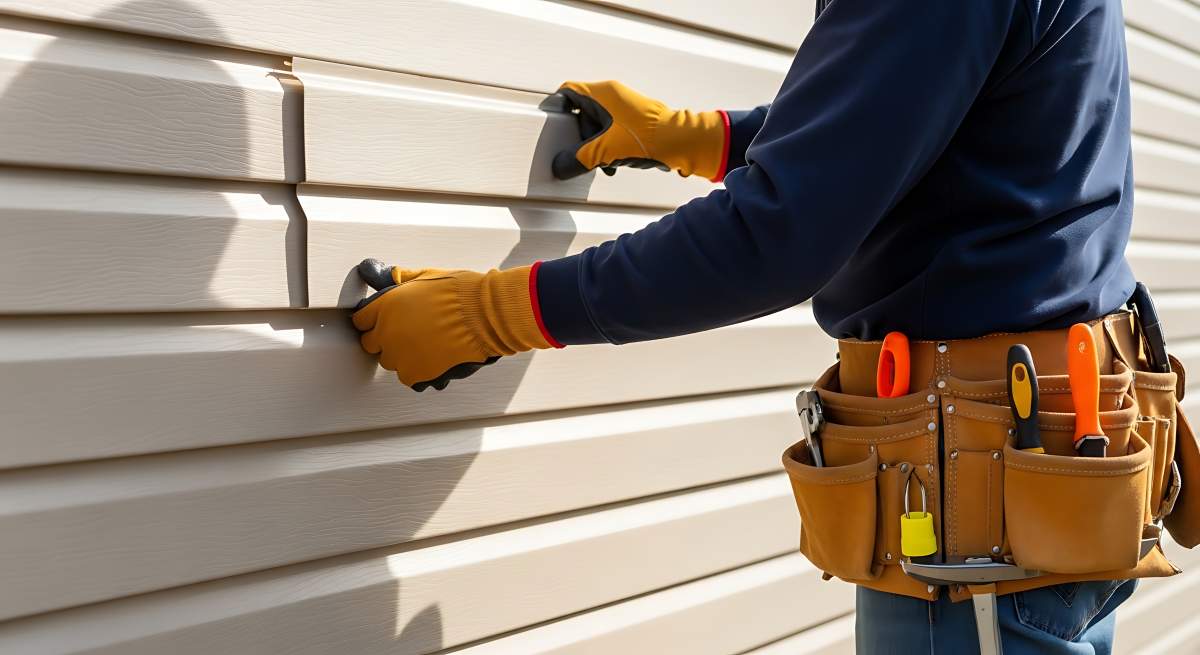
For siding, trim, or woodwork affected by water: 1. Remove and dispose of any soft, decayed, or rotten material. 2. Dry the area thoroughly—use fans or wait for an extended dry period. 3. Replace with matching material (primed and painted for wood; caulked and sealed for vinyl or composite). 4. Prime any bare or sanded wood before repainting to prevent future moisture intrusion. 5. Reseal all seams and edges with a high-quality, paintable exterior caulk. Painting over undried or compromised wood will often trap moisture and speed up future deterioration. If repairing vinyl or fiber-cement siding: replace the affected panel, ensuring the new piece locks securely and drains properly. For brick or masonry, addressing mortar cracks and directing water away from the foundation is key.
When Is It Necessary to Get Professional Help?
Homeowners can handle small repairs, especially if caught early and if there’s no sign of widespread rot or structural compromise. However, it’s wise to seek a licensed expert if:
- Large wall areas feel soft or have obvious mold growth inside the wall cavity
- Suspected water intrusion is near electrical wiring or utility connections
- There are signs of insect activity coupled with moisture (such as carpenter ants or termites)
These situations can introduce structural or electrical hazards and may also involve more extensive repairs than visible at the surface.
What Preventive Steps Can Reduce the Risk in Carmel?
In the local climate, ongoing maintenance is the best guard against exterior water damage. Helpful preventive measures:
- Clean gutters and downspouts each fall and spring to ensure drainage and avoid overflow near the siding.
- Inspect caulking and repaint exposed wood trim every few years.
- Consider splash blocks or landscape grading to direct water away from the foundation.
- Promptly clear snow and ice from roof edges and low eaves in winter to prevent ice dams.
- Keep a close watch on any area where repairs have been made before, as these may become vulnerable again over time.
For many households, prevention is considerably less costly and disruptive than repairing advanced water damage. Staying proactive helps protect both the value and appearance of local homes for many years.