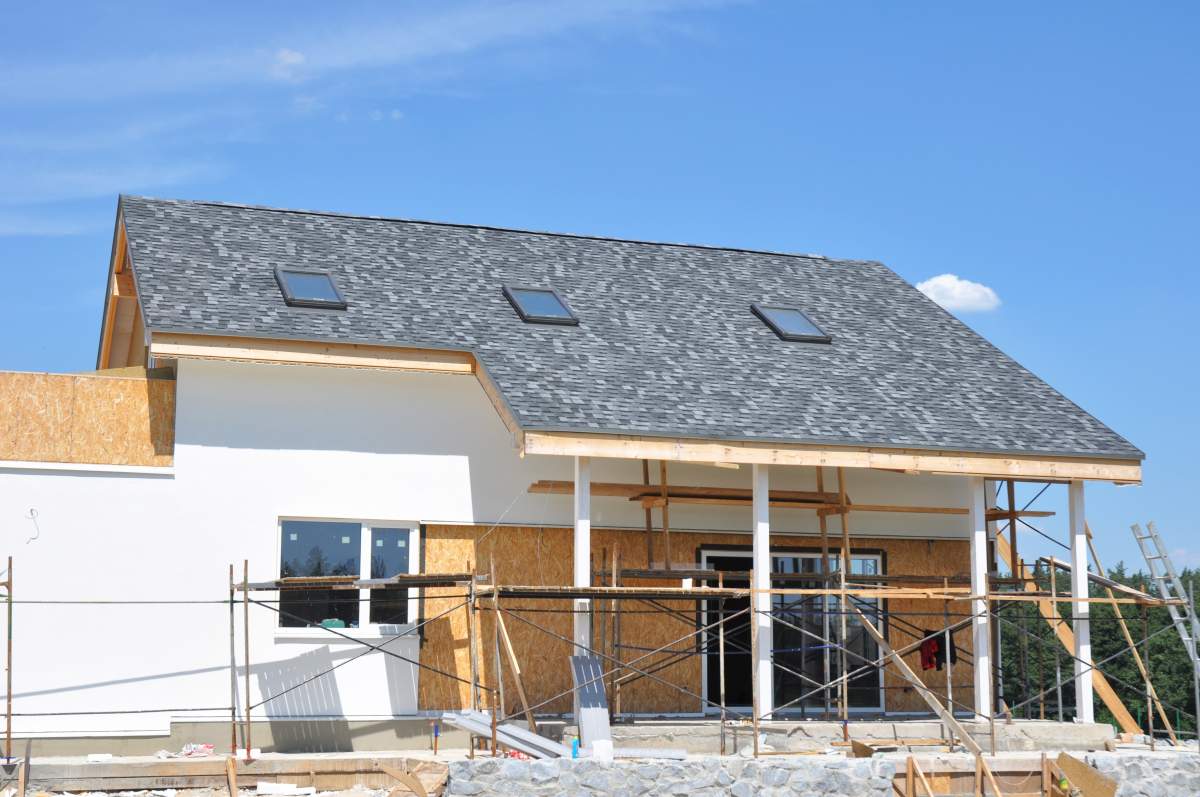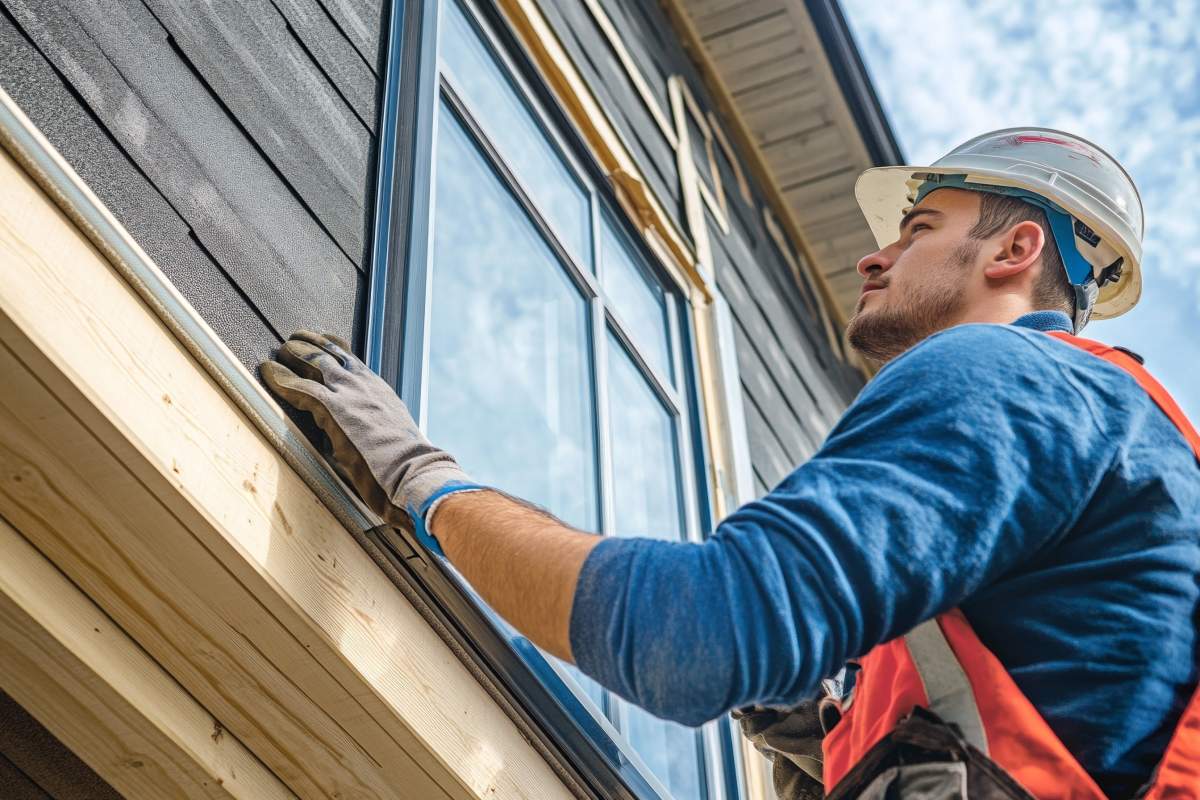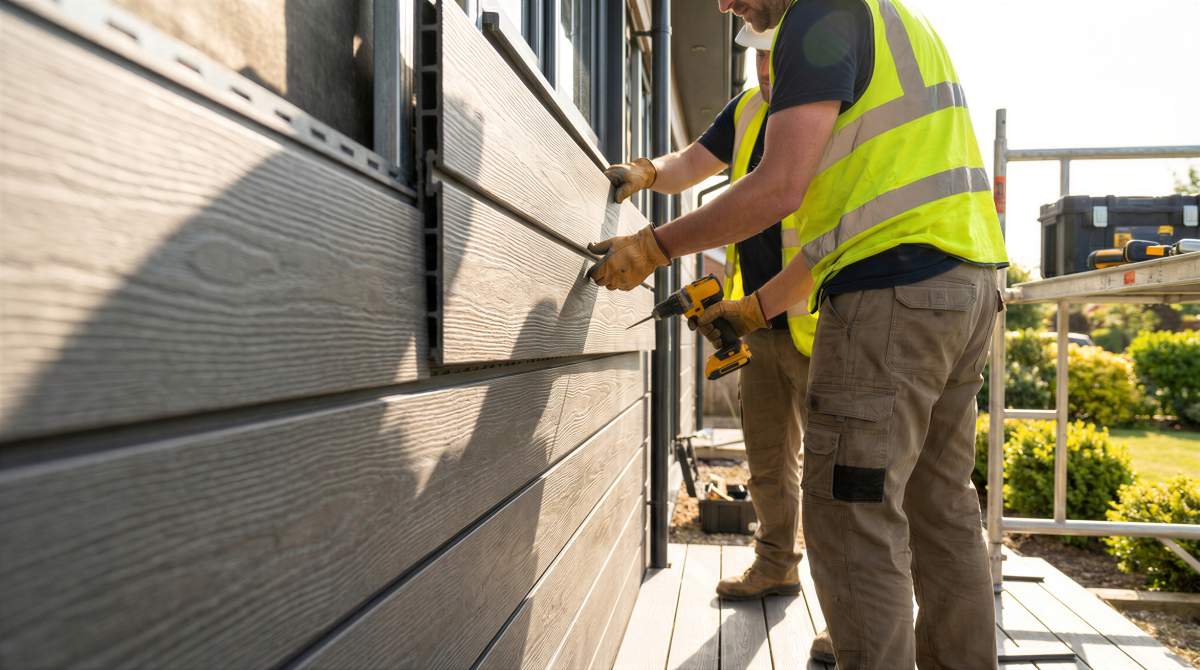



When you’re preparing to start a construction project on your home in Carmel, Indiana, the excitement of new possibilities often comes with a fair share of questions. Whether you’re planning a kitchen renovation, adding a sunroom, finishing a basement, or building an outdoor living space to enjoy Indiana’s seasonal beauty, knowing how to prepare can make the process smoother, more efficient, and far less stressful.
Carmel’s high standards for development, strong community planning, and emphasis on quality construction make preparation especially important. By understanding what to expect and taking the right steps early, you can set your project up for long-term success.
Understanding Local Regulations and Permitting
One of the most important first steps is familiarizing yourself with Carmel’s building codes, zoning requirements, and permitting process. The city is known for its structured planning approach, which helps maintain property values and community consistency.
- Check with the City of Carmel or Hamilton County offices to determine which permits are required
- Permits may be necessary for structural changes, electrical work, plumbing updates, and more
- Even smaller projects can require approvals depending on scope
Failing to secure the proper permits can result in fines, delays, and complications if you decide to sell your home later. Working with professionals familiar with Carmel’s permitting process can help streamline this step.
Setting a Realistic Budget
Construction projects often come with unexpected costs, so planning a comprehensive budget is essential.
- Include materials, labor, permits, and design costs
- Set aside a contingency fund (typically 10–20% of your total budget)
- Obtain multiple estimates from contractors to understand pricing ranges
Also consider whether your home will be livable during construction. If not, temporary housing or additional living expenses should be factored into your budget.
Choosing the Right Contractor
Selecting a qualified contractor is one of the most important decisions you’ll make.
- Ask for references from homeowners in the Carmel area
- Review online feedback and project portfolios
- Verify licensing, insurance, and experience
Make sure you receive a detailed written contract outlining the scope of work, timeline, payment schedule, and warranty terms. Avoid contractors who request large upfront payments or are unwilling to provide documentation.
Considering Carmel’s Climate and Lifestyle
Carmel experiences all four seasons, and weather conditions can impact your project timeline.
- Spring and fall are often ideal for exterior construction
- Winter conditions may slow excavation and foundation work
- Summer can be productive but may include weather-related interruptions
Energy efficiency is also a key consideration. With Indiana’s hot summers and cold winters, upgrades such as improved insulation, high-efficiency HVAC systems, and quality windows can significantly enhance comfort and reduce utility costs.
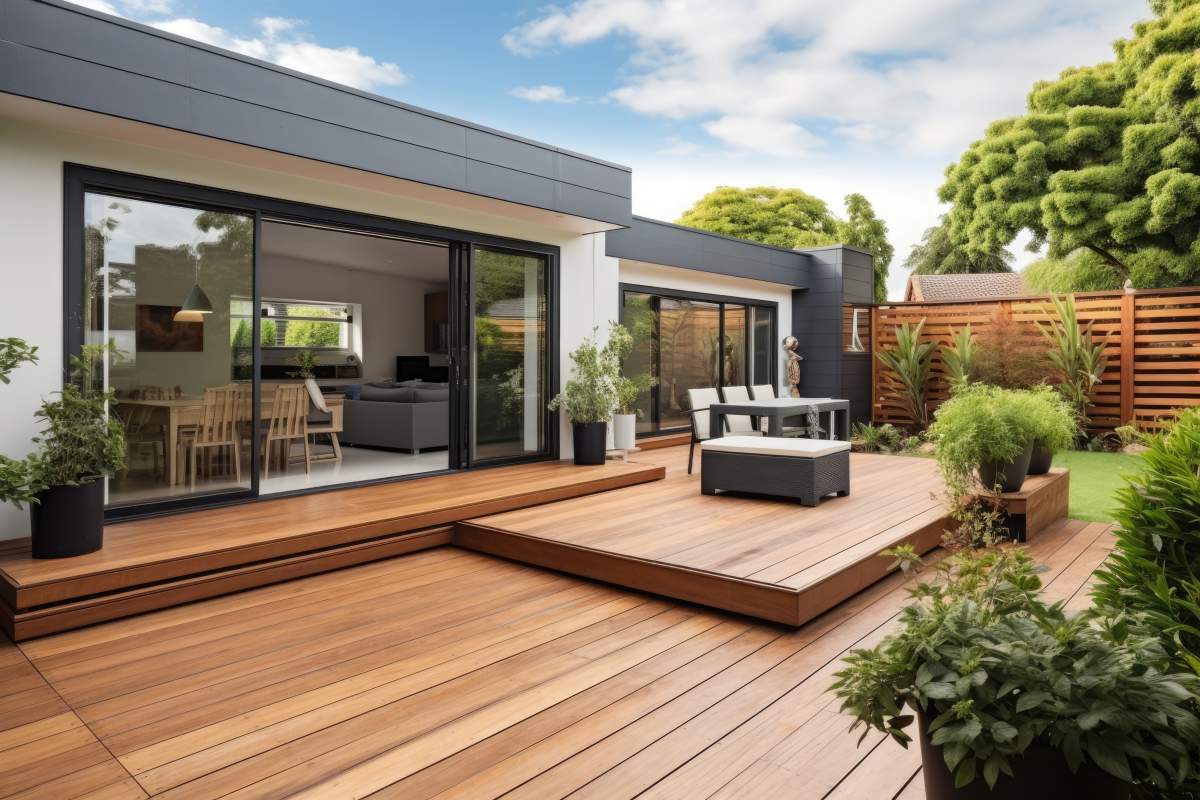
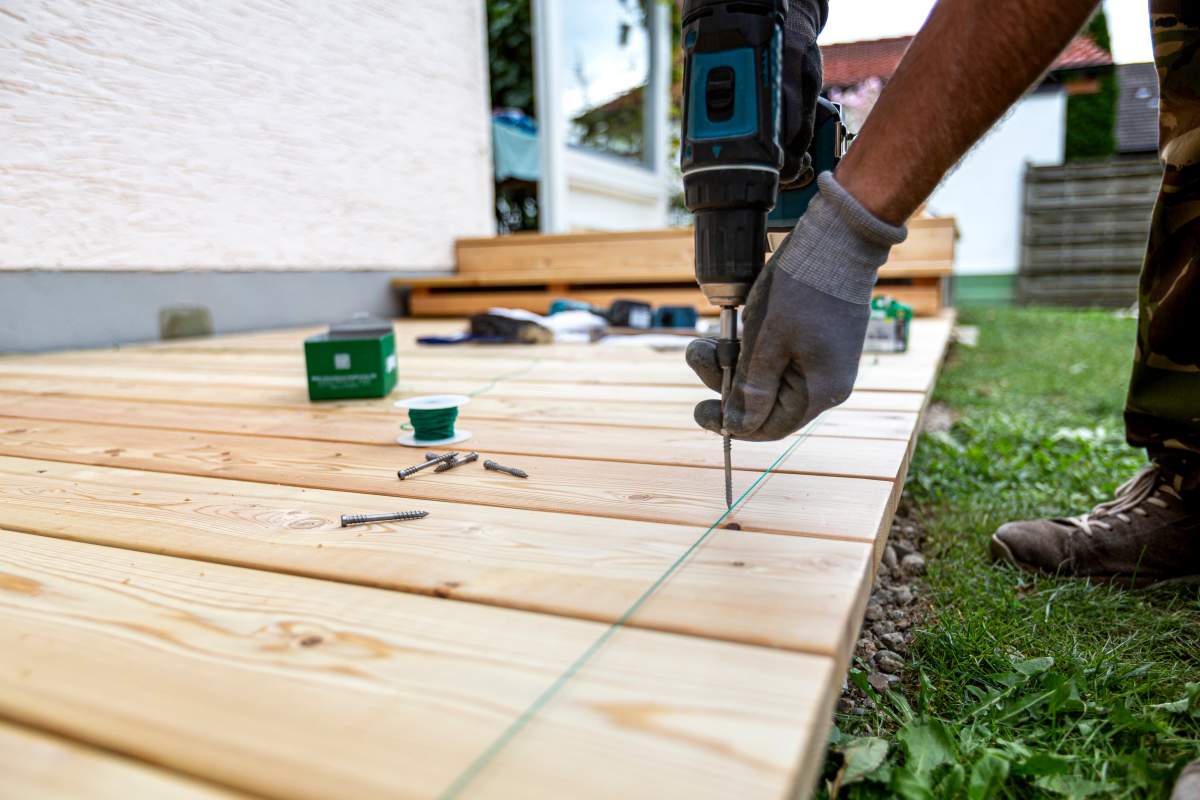
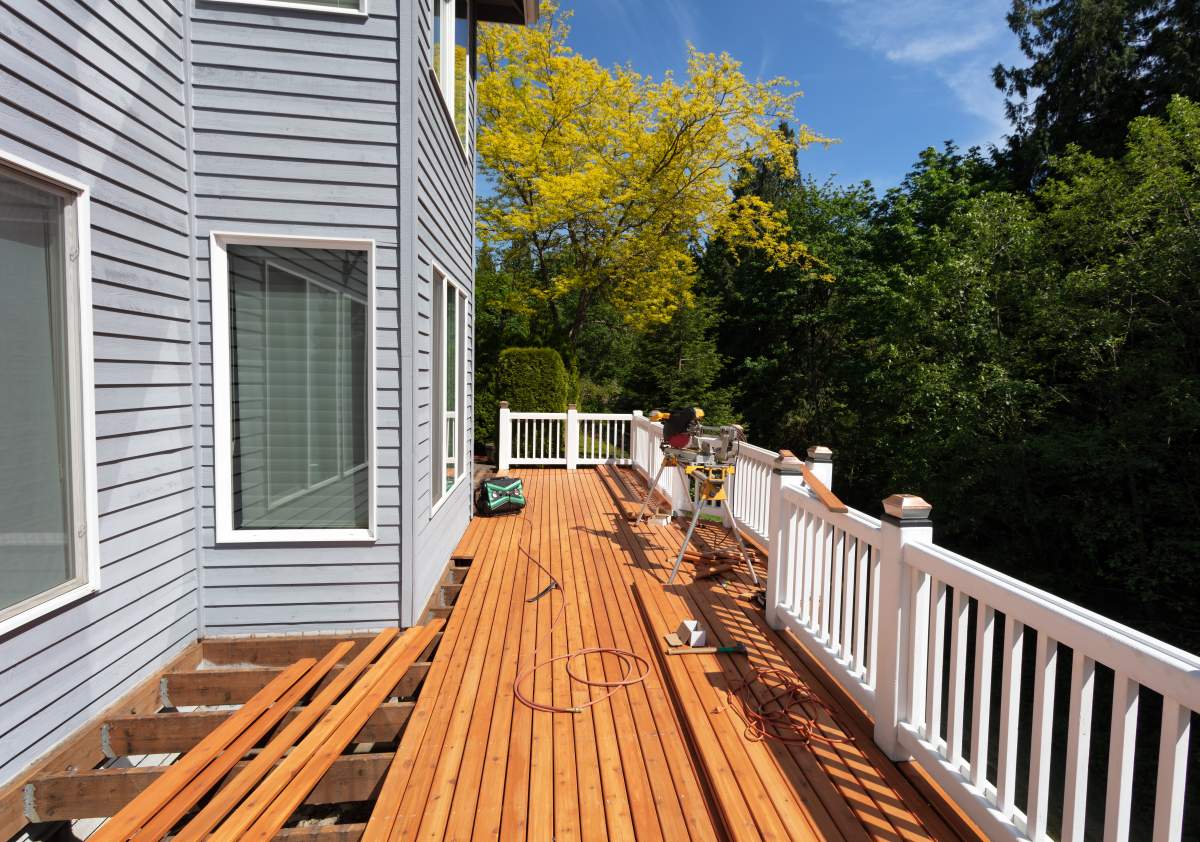
Outdoor living spaces are particularly popular in Carmel. Decks, patios, and screened-in porches can extend your living area and add long-term value to your home.
Understanding Your Home’s Value and Neighborhood Standards
Before beginning construction, it’s important to consider how your project fits within your neighborhood and the broader Carmel housing market.
- Research comparable homes in your area to understand property values
- Avoid over-improving beyond what your neighborhood typically supports
- Review HOA guidelines if applicable, especially for exterior changes
Certain upgrades—such as kitchen remodels, additional bathrooms, or finished basements—often provide strong returns on investment.
Planning for Construction Disruption
Even well-managed projects can disrupt your daily routine. Preparing in advance can help minimize stress.
- Establish a clear construction schedule with your contractor
- Plan for temporary changes in access to parts of your home
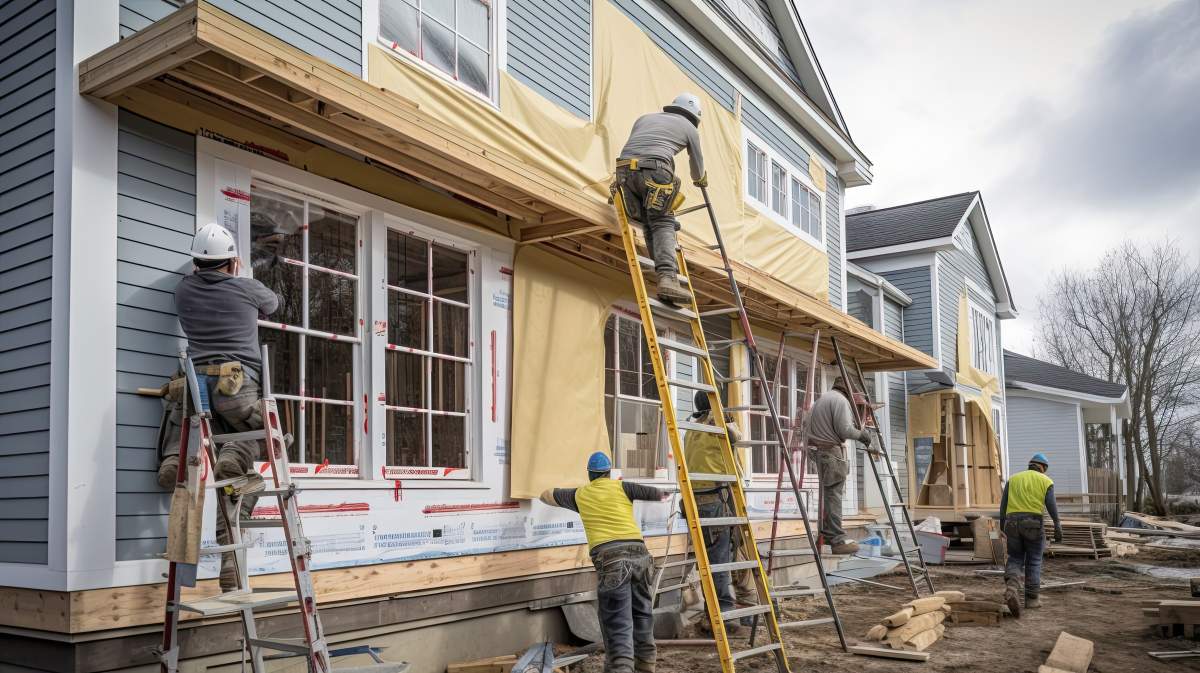
- Arrange for parking, material storage, and debris removal
Maintaining open communication with neighbors is also important. Giving them advance notice helps preserve good relationships and aligns with community expectations.
Sustainability and Local Sourcing
Many Carmel homeowners are prioritizing sustainability in their renovation projects.
- Consider using locally sourced materials when possible
- Explore energy-efficient upgrades such as LED lighting and smart thermostats
- Ask about recycling or repurposing materials during demolition
Sustainable choices not only reduce environmental impact but can also lower long-term operating costs and increase appeal to future buyers.
Final Inspections and Project Close-Out
Before finalizing your project, ensure that all work meets required standards and expectations.
- Conduct a final walkthrough with your contractor
- Address any remaining items or corrections (often called a punch list)
- Obtain warranty documentation and final receipts
Confirm that all required inspections have been completed and approved by local authorities. Proper documentation is essential for future resale and peace of mind.
Conclusion
Starting a residential construction project in Carmel, Indiana, is a significant investment, but with proper planning and attention to detail, it can be a highly rewarding experience. By understanding local requirements, setting a realistic budget, choosing the right contractor, and preparing for each phase of the process, you can reduce stress and protect your investment.
Carmel’s commitment to quality development and strong community standards makes it an excellent place to enhance your home. With the right preparation, your project can result in a space that is more functional, comfortable, and aligned with your lifestyle—ready to be enjoyed for years to come.