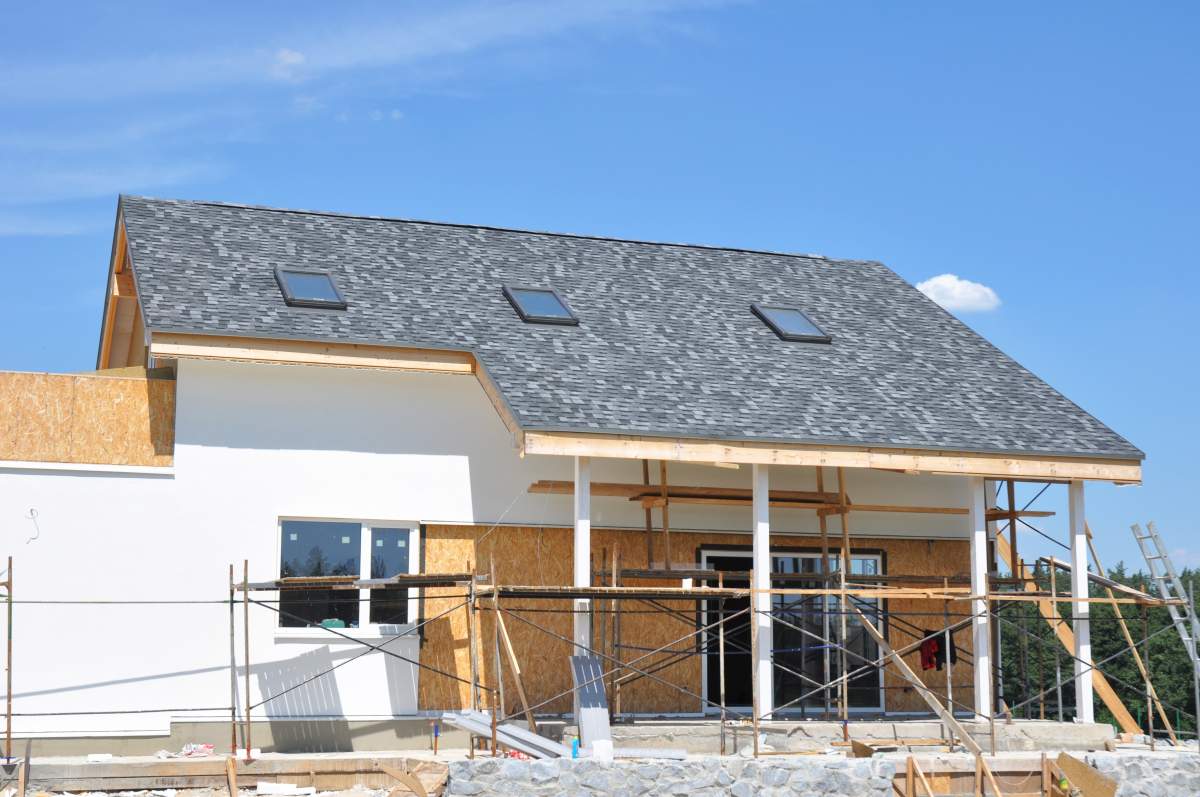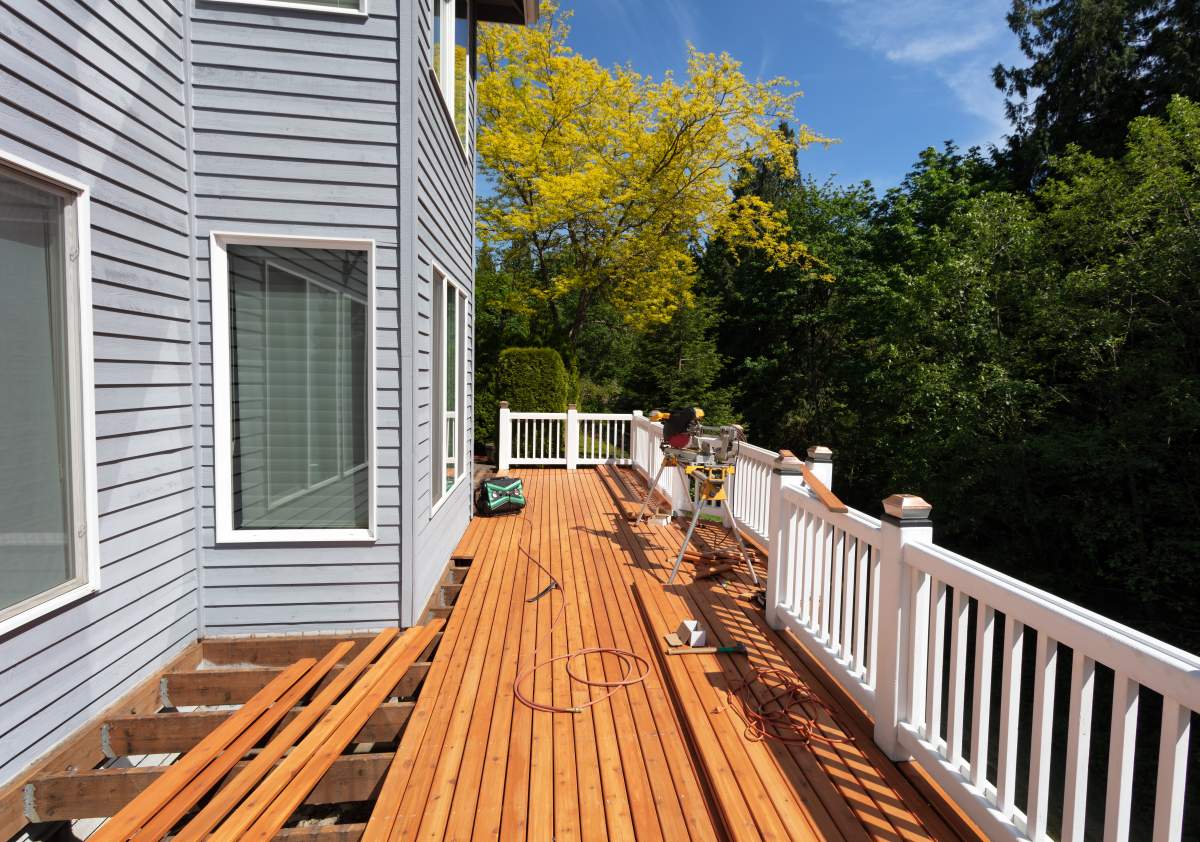



Starting a construction project is an exciting step toward improving how your home looks, functions, and supports your daily life. In Carmel, Indiana—where strong community standards, thoughtful development, and high-quality homes are the norm—preparation plays a critical role in ensuring a successful outcome.
Whether the project involves a renovation, an addition, or building from the ground up, the steps taken before construction begins often determine how smoothly everything unfolds. With the right planning, homeowners can avoid common setbacks and move forward with confidence.
Understanding Local Expectations and Requirements
Carmel’s reputation for well-maintained neighborhoods and consistent development standards means that construction projects must align with local regulations. Before moving into design or demolition, it’s important to understand the rules that apply to your property.
This typically includes:
- Reviewing zoning requirements and building codes
- Checking for any applicable HOA guidelines
- Confirming permit requirements through local authorities
Taking the time to understand these expectations early helps prevent delays, redesigns, or compliance issues later in the process.
Building a Realistic Budget
Budgeting is one of the most important early steps in any construction project. Costs can vary depending on the size of the project, the condition of your home, and the materials you choose.
A well-prepared budget should include:
- Labor and material costs
- Design or architectural services
- Permit and inspection fees
- A contingency fund for unexpected expenses
Setting aside an additional 10–15% for unforeseen issues—such as structural repairs or system updates—helps keep your project on track even when surprises arise.
Choosing the Right Contractor
The contractor you select will have a direct impact on both the quality of your project and your overall experience. In Carmel, where expectations are high, working with experienced professionals is especially important.
When evaluating contractors, it’s worth focusing on:
- Local experience and familiarity with Carmel’s standards
- Proper licensing and insurance coverage
- Clear contracts outlining scope, timeline, and payment terms
Taking time to review past work and speak with previous clients can also provide valuable insight into how a contractor operates.
Planning for Permits and Inspections
Permits are a standard part of construction projects in Carmel and are essential for ensuring safety and compliance. While contractors often assist with the process, homeowners are ultimately responsible for making sure everything is properly handled.
Before construction begins, make sure to:
- Confirm which permits are required for your project
- Understand when inspections will take place
- Keep documentation organized for future reference
Following these steps helps avoid delays and ensures your project meets all local requirements.
Preparing for Indiana’s Climate
Carmel’s weather can influence both the timing and durability of construction work. Seasonal changes—from cold winters to humid summers—affect materials, scheduling, and overall project timelines.
To plan effectively:
- Schedule major exterior work during more stable weather periods
- Choose materials designed to handle temperature and moisture changes
- Build flexibility into your timeline for weather-related delays
These considerations help ensure your project progresses smoothly and performs well over time.
Communicating With Neighbors
Construction projects don’t just affect your household—they can also impact those around you. Carmel’s strong sense of community makes it important to communicate with neighbors before work begins.
A simple conversation can go a long way in setting expectations around:
- Noise and work hours
- Equipment placement and parking
- Project timelines and potential disruptions
Maintaining open communication helps preserve positive relationships throughout the process.
Preparing for Daily Disruptions
Even well-managed construction projects bring temporary changes to your routine. Planning ahead can make these disruptions easier to manage.
Consider how your project will affect:
- Access to key areas of your home
- Utilities such as water or electricity
- Daily schedules for work, school, and family activities
Setting up temporary solutions—like alternate living spaces or work areas—can help minimize stress during construction.
Prioritizing Safety and Liability
Safety should always be a top priority on any job site. Ensuring proper precautions are in place protects both your household and the workers involved.
Important steps include:
- Verifying contractor insurance coverage
- Reviewing safety procedures before work begins
- Confirming your homeowner’s insurance aligns with the project scope
Taking these precautions helps reduce risk and provides peace of mind throughout the project.
Thinking About Long-Term Value
Construction projects are not just about immediate improvements—they’re also an opportunity to increase your home’s long-term value. Carmel’s strong housing market makes strategic upgrades especially worthwhile.
Homeowners often focus on:
- Functional living spaces such as kitchens and bathrooms
- Energy-efficient upgrades that reduce long-term costs
- Features that align with neighborhood standards
Balancing personal preferences with broader market appeal helps ensure your investment continues to pay off over time.
Final Thoughts: Start Strong for a Better Outcome
A successful construction project in Carmel, Indiana, begins well before any physical work takes place. Careful planning, clear communication, and an understanding of local requirements create a strong foundation for everything that follows.
By taking the time to prepare—financially, logistically, and structurally—you can avoid common challenges and move forward with confidence. In a community known for quality homes and thoughtful design, the effort you put in at the beginning will shape results you can enjoy for years to come.