


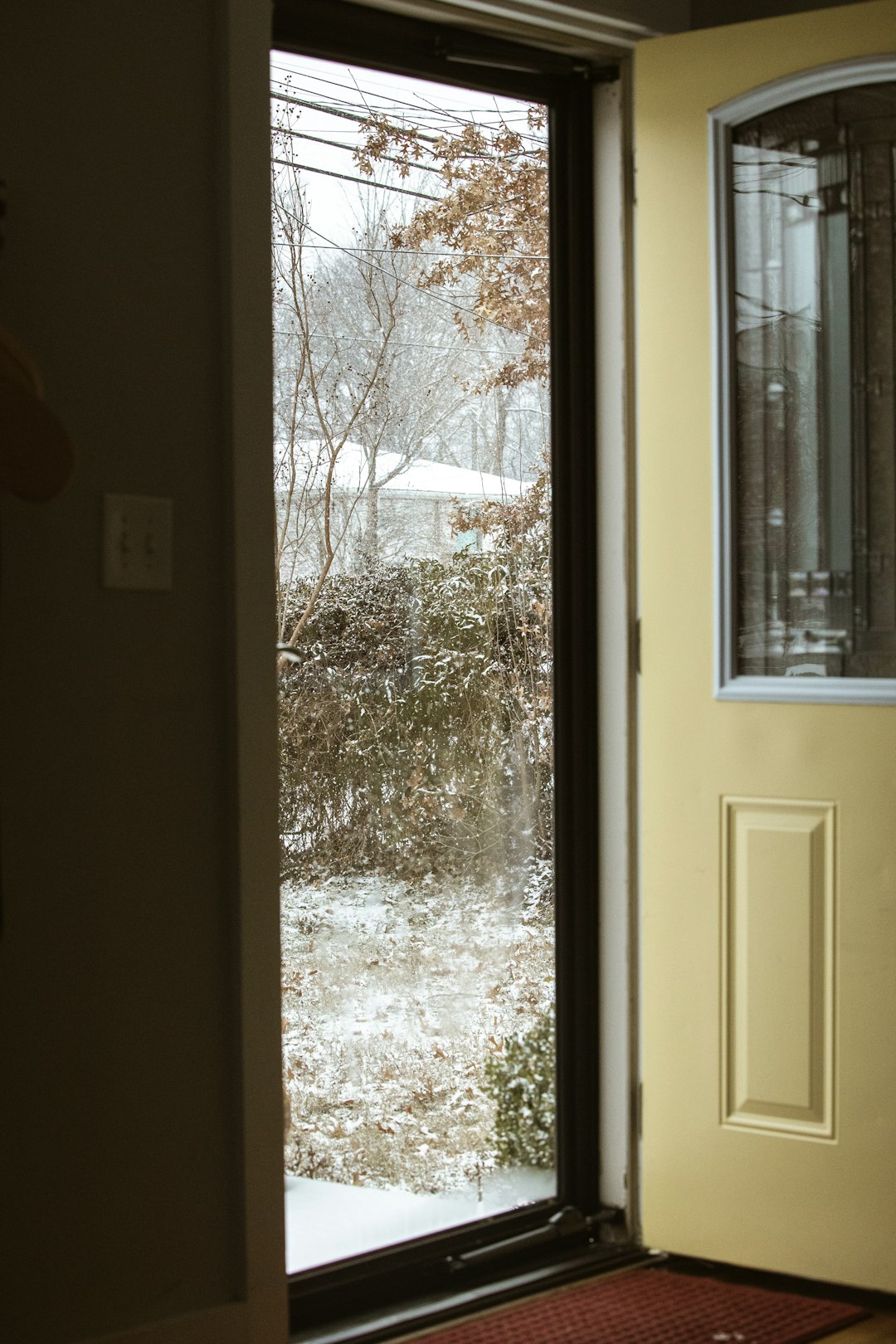
What Makes a Door Energy Efficient?
Energy efficient doors minimize heat loss in winter and reduce heat gain in summer, making homes more comfortable and lowering utility bills. In Carmel, IN, where the climate brings cold winters and humid summers, these features matter for year-round comfort.
Key elements that improve a door’s efficiency include type of material, insulation quality, weatherstripping, and the presence of energy-rated glass. A door’s U-factor measures how well it resists heat flow—lower values mean better insulation.
Which Door Materials Offer the Best Energy Performance?
Some door materials are naturally better at insulating than others. For area households, the main choices are:
- Fiberglass: Fiberglass doors have a foam core, strong thermal resistance, and are less likely to warp or swell in humidity. They can mimic the look of wood and need minimal upkeep, which suits the freeze-thaw cycles and rain common in the region.
- Steel: These doors offer security and resist shrinking or swelling with temperature changes, but can feel cold unless they have an insulated core. Quality steel doors in the city usually feature a layer of polyurethane or polystyrene for added insulation.
- Wood: While classic and attractive, solid wood doors often lose more heat. Wood remains popular in historic neighborhoods but is generally less efficient unless enhanced with modern weatherstripping and storm doors.
- Composite: Made from a mix of materials, composite doors often balance durability and insulation, and resist moisture—useful for homes exposed to sleet or wet conditions.
Do Glass Panels and Windows Hurt Efficiency?
Not always. Many believe glass doors or sidelights waste energy, but modern doors use technology to mitigate heat loss.
- Double or Triple Glazing: Layered glass systems trap insulating air (or inert gas) between panes.
- Low-E Glass: This coating reflects infrared energy, helping keep heat inside in winter and out in summer.
- Thermal Breaks: Some doors have non-conductive spacers to stop the frame from transferring heat.
In the community, it’s common to see entry doors with decorative glass or transom windows. Choosing doors labeled with ENERGY STAR ratings ensures the glass is as efficient as possible.
How Can Local Residents Spot an Energy Efficient Door?
Look for the National Fenestration Rating Council (NFRC) or ENERGY STAR certification label, visible on new doors. In the city, ENERGY STAR doors are third-party tested, often required for certain rebates or incentives offered through Indiana utility programs.
Key performance numbers include:
- U-Factor: Lower is better (under 0.30 is considered very efficient for the region)
- Solar Heat Gain Coefficient (SHGC): For exterior doors with glass, a lower SHGC means less unwanted solar gain in summer
Also check the quality of weatherstripping, adjustable thresholds, and good seals around the door frame.
Are Storm Doors Worthwhile for Efficiency?
Adding a storm door can create an extra buffer against winter wind and summer humidity. Storm doors are commonly paired with older wood doors or any main door that would benefit from a stronger air seal.
However, if the primary door is already well-insulated and tightly installed, a storm door may add little value. In summer, glass storm doors should be vented to prevent excess heat from building up between doors.

What Seasonal Concerns Affect Efficiency in the City?
Carmel's climate influences door performance throughout the year. During subzero spells, gaps or poor insulation let in drafts. In spring and summer, humidity can make older wooden doors stick or warp, hurting their seal. Routine tasks that help area households maintain energy efficiency include:
- Inspecting and replacing weatherstripping every 1-2 years
- Checking for visible light or air leaks around the frame
- Adjusting or repairing door sweeps on exterior entrances
- Using insulated curtains or shades on doors with glass for extra protection during heat waves or cold snaps
What Are Some Overlooked Factors When Choosing an Efficient Door?
Many residents focus on the door slab itself, but the full installation matters just as much for stopping energy leaks.
- Frame Material: An efficient door on a poorly insulated frame can still lose significant heat or allow drafts.
- Correct Sizing and Fitting: A door that isn’t precisely hung can create gaps, especially after seasonal swelling or shrinking.
- Proper Alignment: Thresholds and hinges must align tightly to reduce air infiltration.
- Placement: North-facing doors lose more heat in winter, while south- or west-facing doors may benefit from added shade in summer.
For anyone updating an entry door during exterior remodeling, replacing the entire pre-hung door unit (door plus frame) often provides the biggest improvement in overall efficiency compared to swapping door slabs alone.