


What Factors Influence Curb Appeal in Carmel, IN?
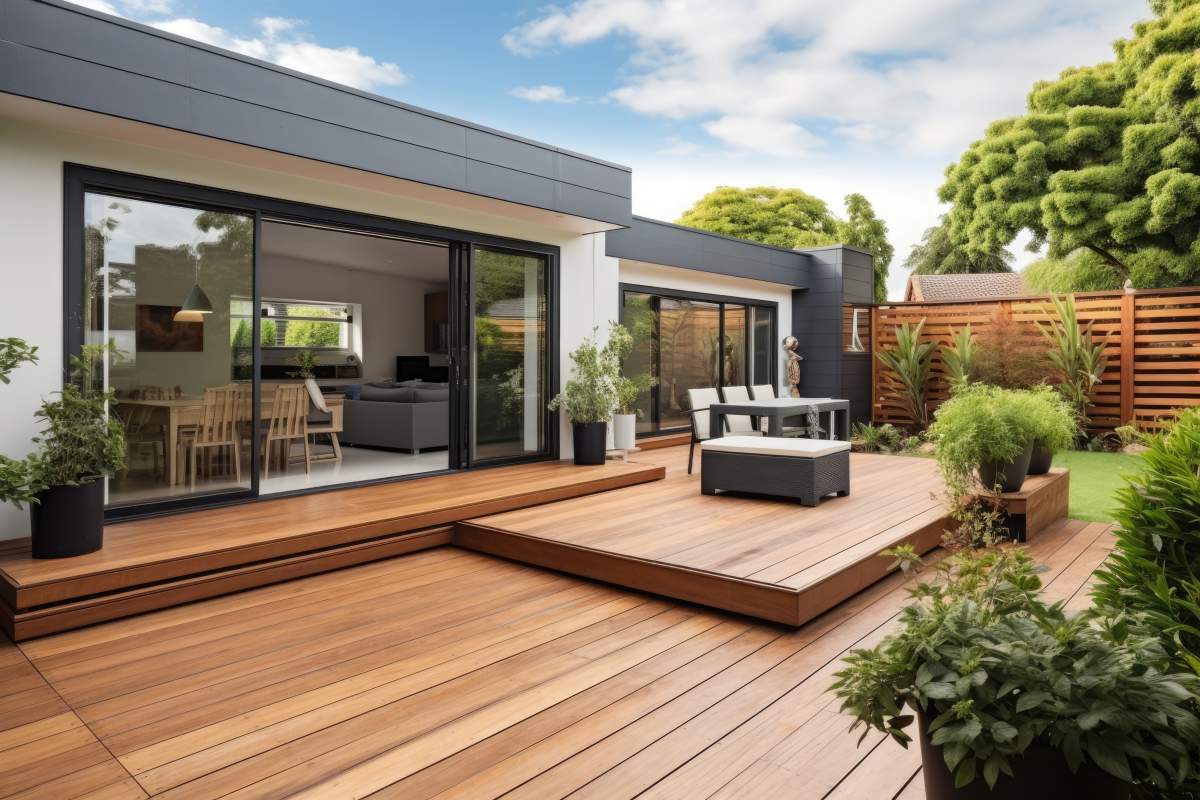
Curb appeal is shaped by exterior appearance, landscaping, and the way a property fits with neighborhood character. In Carmel, these factors are influenced by the area’s seasonal climate, housing mix, and community standards. Local households frequently deal with temperature swings, intense summer sun, and winter freeze-thaw cycles that can impact paint, siding, and hardscapes.
Homes in the city typically feature a mix of traditional and contemporary styles, with well-maintained lawns, tidy drives, and coordinated color schemes standing out positively. Many neighborhoods value neatness and subtle elegance over flashy statements, and Homeowners’ Association (HOA) guidelines may set additional expectations.
How Do Simple Exterior Updates Add Value?
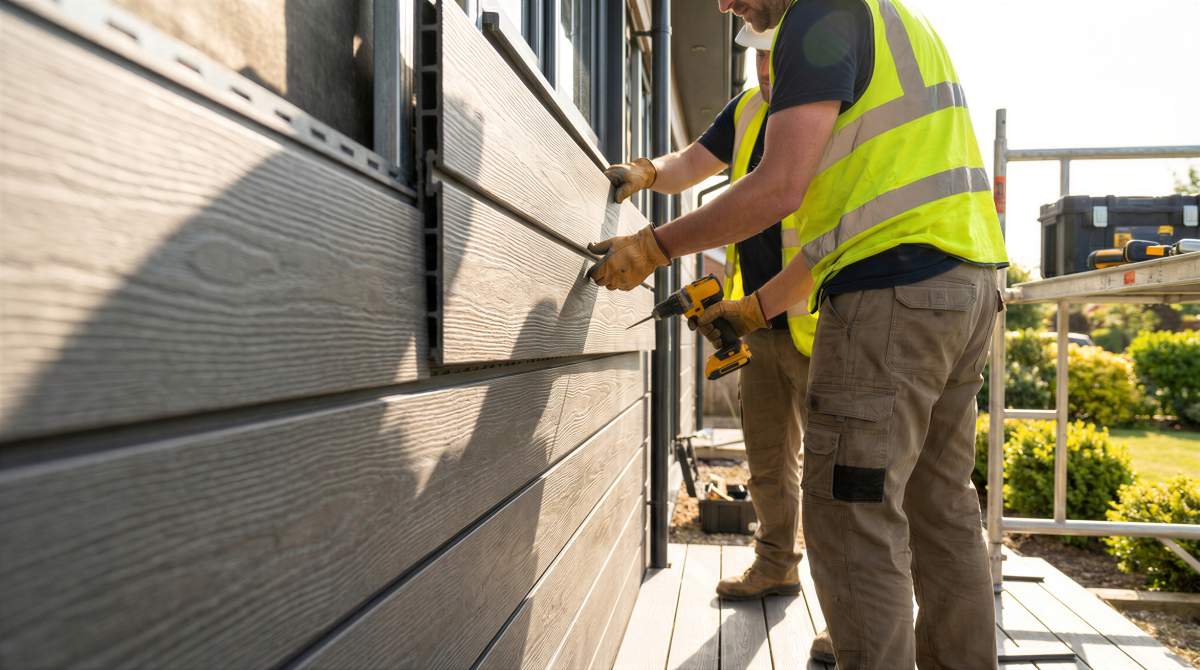
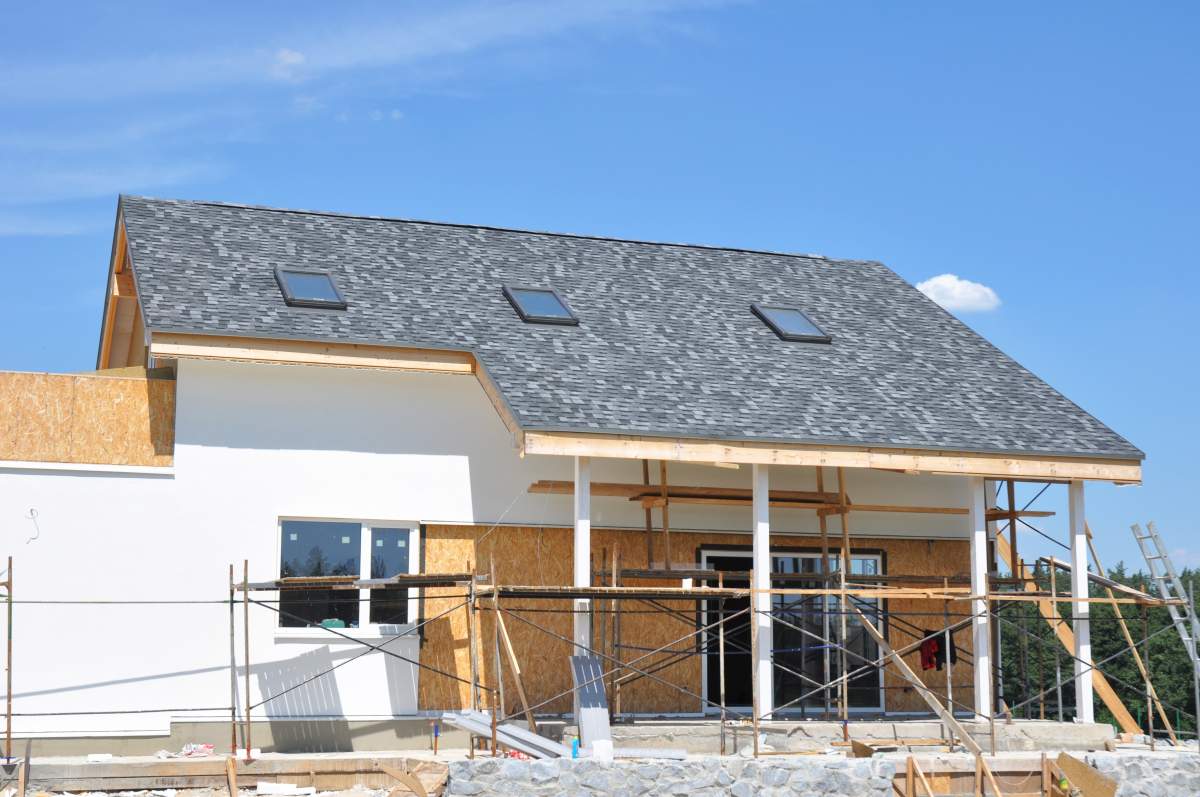
Simple changes often make a bigger difference than costly renovations. Freshening up exterior paint, updating house numbers, and keeping walkways clear all contribute to an inviting appearance without major expense.
For example:
- Painting the front door with a bold, welcoming color generates visual interest and helps a home stand out.
- Cleaning siding and windows removes grime and mildew, making surfaces look newer.
- Replacing outdated exterior light fixtures with energy-saving LED alternatives improves both security and charm.
- Applying a fresh layer of mulch or edge-trimming plant beds makes landscaping look intentional and neat.
Local residents should keep in mind how Carmel’s weather patterns affect material choices—exterior improvements need to stand up to humidity, winter salt, and sun exposure.
What Landscaping Choices Work Best for Local Homes?
Landscaping that fits the region’s climate and soil conditions saves time and looks attractive year-round. The city’s neighborhoods often favor layered plantings, shade trees, and lawns that are resilient during droughts or heavy rains.
- Planting native perennials—such as black-eyed Susans, coneflowers, or serviceberries—provides blooms and color with less upkeep.
- Mulching with organic material preserves moisture and discourages weeds, especially important in warmer months.
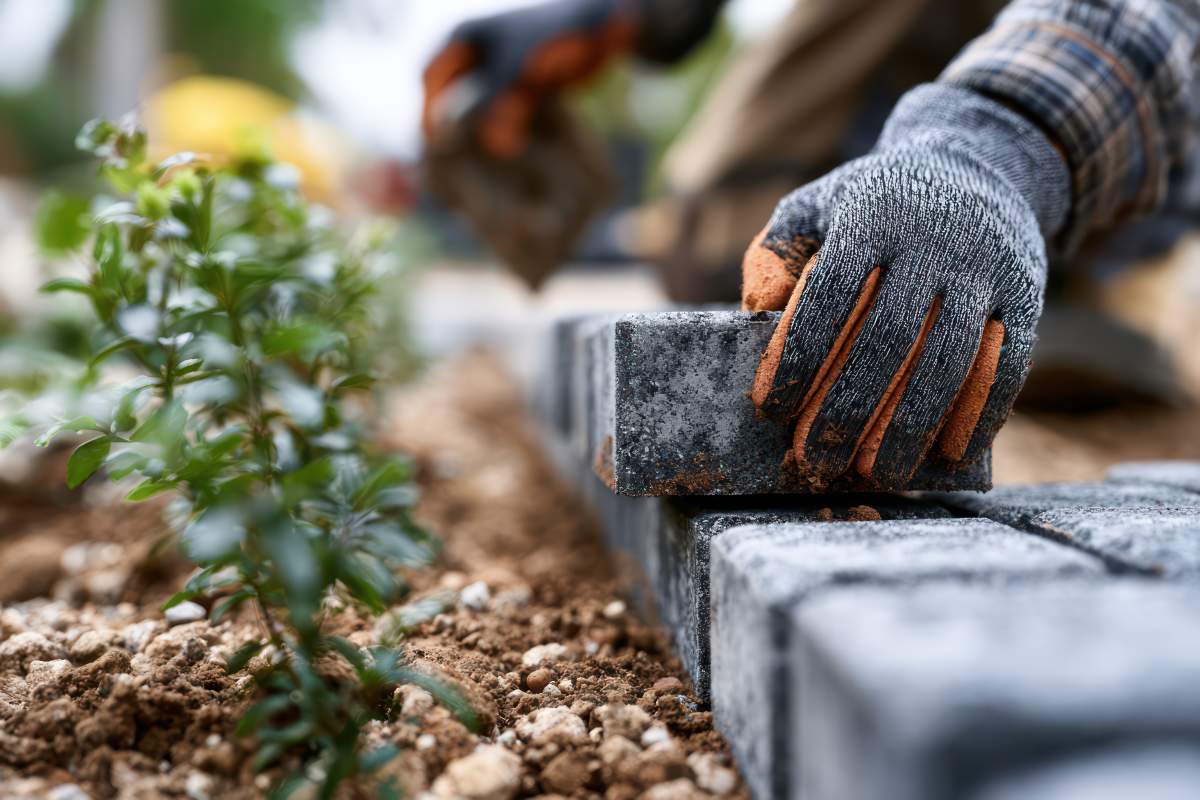
- Installing well-defined garden edges or low garden walls keeps beds tidy and minimizes leaf spillover onto walks or drives.
- Pruning trees and shrubs each spring prevents overgrowth and maintains an organized look.
Some residents opt for low-maintenance landscaping with stone or gravel in shaded areas where grass struggles to grow. Using drought-resistant varieties for new plantings avoids issues with late-summer browning during dry spells.
How Can Driveways and Walkways Improve First Impressions?
Driveways and walkways are among the first elements visitors notice. Cracked concrete, uneven pavers, or stained surfaces quickly detract from an otherwise attractive home.
To boost curb appeal:
- Pressure-wash hardscape paths to remove algae, salt buildup, or leaf stains.
- Fill sidewalk joints or driveway cracks promptly—freeze-thaw cycles can quickly enlarge gaps.
- Consider adding solar or low-voltage path lighting for a safe, polished look after dark.
Even small repairs—like sealing asphalt or replacing a few loose pavers—can refresh the overall impression for little cost. Keeping these areas clear of ice and debris is especially relevant during the city’s winter months.
What Exterior Details Are Most Often Overlooked?
Small elements can make a greater impact than homeowners expect. For instance:
- Swapping out mailbox hardware, adding new modern house numbers, or replacing rusted door hardware creates a cohesive finish.
- Checking gutters for sagging or clogged sections keeps the roofline straight and prevents water stains on siding.
- Ensuring window trim is clean and intact helps frame the home’s façade.
Misconceptions persist that curb appeal comes only from large-scale projects, but these details collectively set a cared-for home apart, especially during listing season or community home tours.
What Seasonal Maintenance Makes the Biggest Difference?
Routine chores carried out as seasons change are essential for lasting curb appeal. In Carmel, spring and fall chores often have the highest impact:
Spring:
- Rake remaining leaves, remove winter debris, and reseed bare lawn patches.
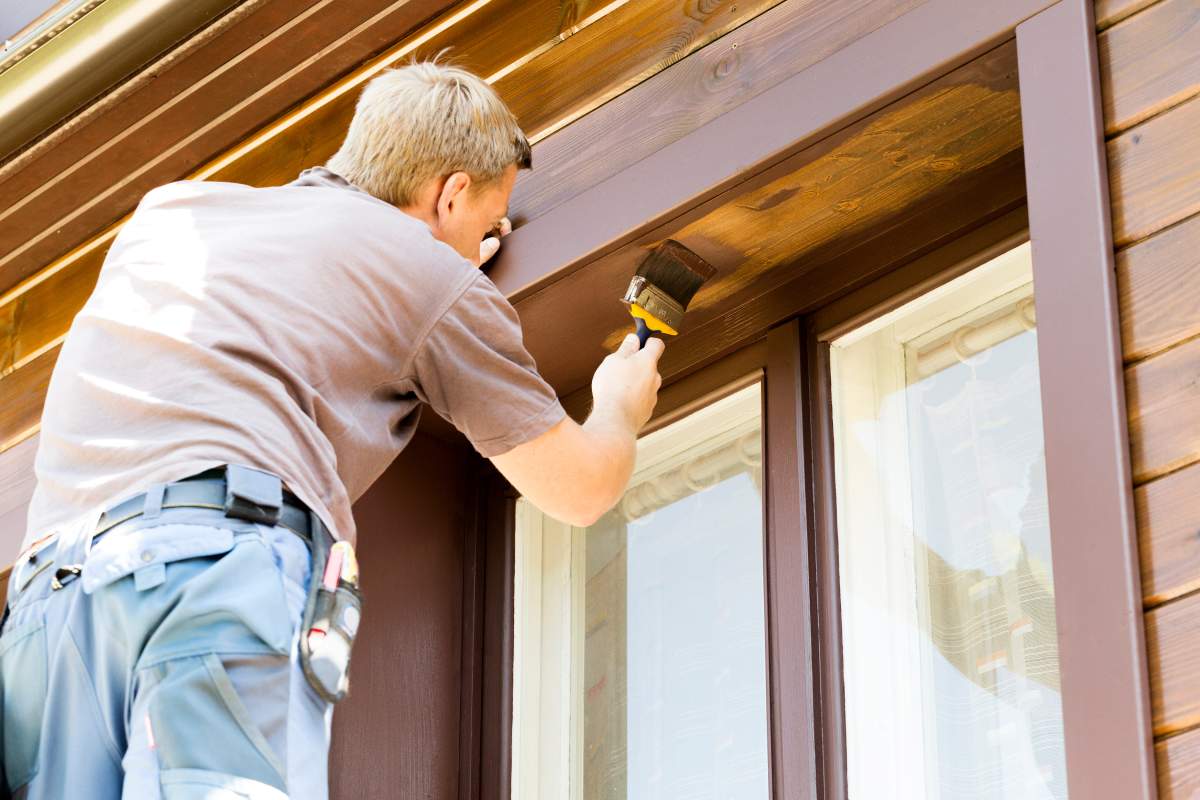
- Check exterior paint and touch up peeling or faded areas.
- Replant beds as soil warms for summer color.
Fall:
- Clean gutters before winter to prevent blockages from fallen leaves.
- Trim back perennials after the first frost to keep borders neat.
- Swap out annuals for late-season planters with mums or ornamental kale.
Regular maintenance preserves improvements, prevents larger problems, and helps area homes fit the community’s tidy, welcoming appearance year-round.
How Do Regulations and Neighborhood Standards Affect Options?
Local ordinances and HOA guidelines may direct what changes are allowed, especially for prominent home features or front-yard landscaping. Some subdivisions in the city require prior approval for certain exterior paint colors, types of fencing, or major hardscape alterations. Before making major alterations, it’s wise to:
- Check with the city or HOA for specific rules on landscaping, exterior color choices, or tree removal.
- Understand local expectations for lawn maintenance or accepted plant types.
Homeowners aiming to add curb appeal should focus first on widely permitted improvements like routine cleaning, minor repairs, and seasonal planting, which generally do not require advance approval.
What Are Common Mistakes or Misconceptions?
Some homeowners mistakenly believe that curb appeal only matters when preparing to sell. In reality, exterior improvements benefit day-to-day enjoyment, support property values in the neighborhood, and foster positive community perception. Other misconceptions include:
- Overplanting: Filling spaces with too many shrubs or flowers can look cluttered and increase maintenance demands.
- Neglecting hardscape: Even beautiful landscaping can be overshadowed by stained driveways or damaged walks.
- Ignoring lighting: Poor outdoor lighting may make a property feel less welcoming, especially during the long evenings of the city’s fall and winter seasons.
Prioritizing balanced, well-maintained features—rather than simply adding more—provides the best long-term value.