


What Is Vinyl Siding and Why Do Carmel, IN Homeowners Consider It?
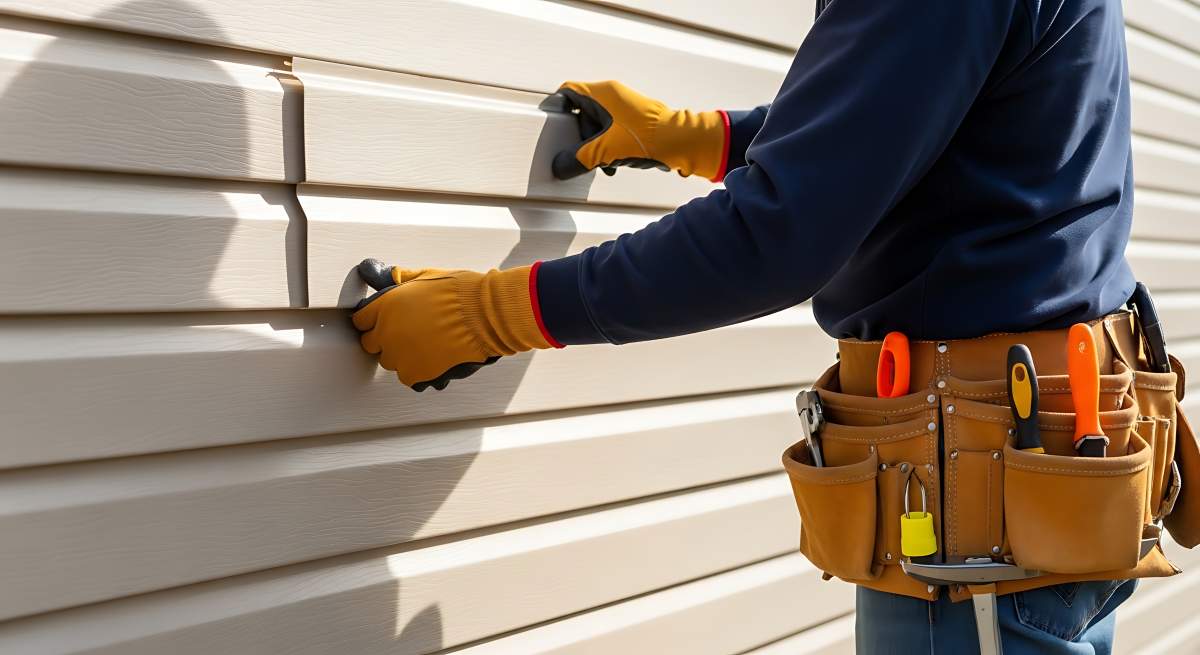
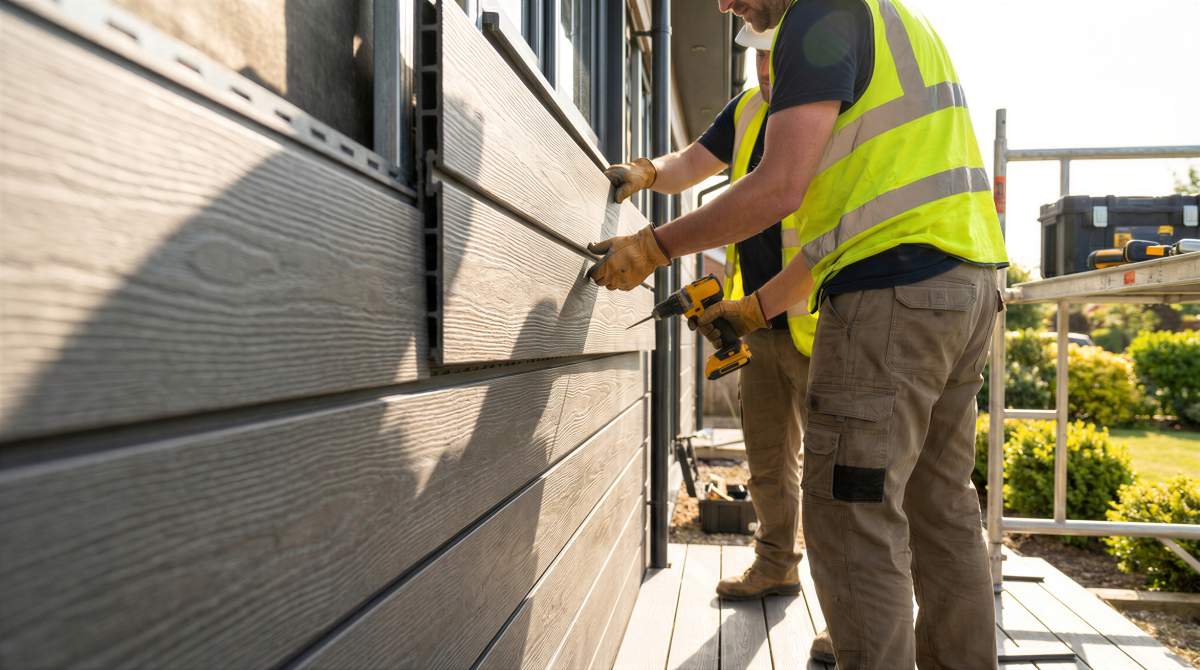
Vinyl siding is a widely used exterior cladding made from polyvinyl chloride (PVC) resin. Area households often choose it for exterior remodeling projects due to its reputation for affordability, ease of maintenance, and wide range of available colors. In Carmel, IN, where the climate features hot, humid summers and freezing winters, exterior materials have to withstand noticeable seasonal changes. This makes material characteristics especially relevant for local decision-making.
Does Vinyl Siding Hold Up in Carmel's Climate?
Vinyl siding offers reasonable durability in the face of Carmel’s yearly weather swings. It resists rot, insect damage, and moisture infiltration — elements commonly encountered in humid Midwestern summers. However, local cold snaps, hail, and high UV exposure can test its limits.
- Winter brittleness: Uncommonly cold days can make older or lower-quality vinyl brittle, increasing the risk of cracking.
- Storm defense: While modern panels are more flexible than earlier versions, high-impact hailstones or wind-driven debris may leave dents or cracks.
- UV fading: Direct sunlight over years can cause gradual color fading, especially for darker shades.
Residents should understand that while vinyl stands up to moisture well, it can still show its age after exposure to more intense elements typical of the area.
How Much Maintenance Does Vinyl Siding Truly Require?
Vinyl is popular with busy households for its relatively low upkeep needs. Unlike wood, it does not need repainting or frequent sealing. Most dust, pollen, or algae growth can be washed away with a garden hose or gentle power wash once or twice per year.
However, misconceptions exist about it being “maintenance-free.” For long-lasting appearance and performance:
- Inspect yearly for loose panels, cracks, or gaps—especially after storms.
- Clean mold or algae growth from shaded or damp areas to preserve curb appeal.
- Address any warping or buckling promptly, which may signal underlying moisture or fastening issues.
Well-maintained panels typically last 20–30 years in this region.
Is Vinyl Siding Energy Efficient for Area Households?
Standard vinyl siding alone does not dramatically improve home insulation since the panels are thin and not airtight. However, insulated vinyl products exist, incorporating a layer of expanded foam. In Carmel, this can help reduce drafts and complement other weatherization strategies, but it should not be relied on as the sole barrier against energy loss. Proper installation and air-sealing around windows and doors is just as important for area homes.
What Do Vinyl Siding Projects Usually Cost in the City?
Many residents gravitate toward vinyl due to its relatively approachable upfront cost compared to other cladding options like fiber cement or brick. Material prices are among the lowest for exterior remodels, and installation is generally faster, which helps control labor expenses. Still, costs vary based on siding profile, panel thickness, color, trim options, and the complexity of each home’s architecture.
In some historical districts or neighborhoods with strict homeowners’ association guidelines, vinyl may not be permitted or may require specific aesthetic choices to comply with local standards. Residents should check relevant regulations before making material decisions.
What Aesthetic Choices and Limitations Come with Vinyl?
Vinyl siding comes in a broad palette of colors and in various textures meant to imitate wood grain or other finishes. This allows flexibility in matching neighborhood styles or personal taste. However, once installed, the color cannot be changed easily—vinyl is “through-color,” meaning the dye is embedded in the material itself. While painting is technically possible, it is generally not recommended and often voids any manufacturer warranties.
Some assume all vinyl looks obviously artificial. Advances have greatly improved realism, but natural wood or stone still offer more authentic texture and depth for historic or architecturally prominent homes.
Are There Safety or Environmental Factors to Consider?
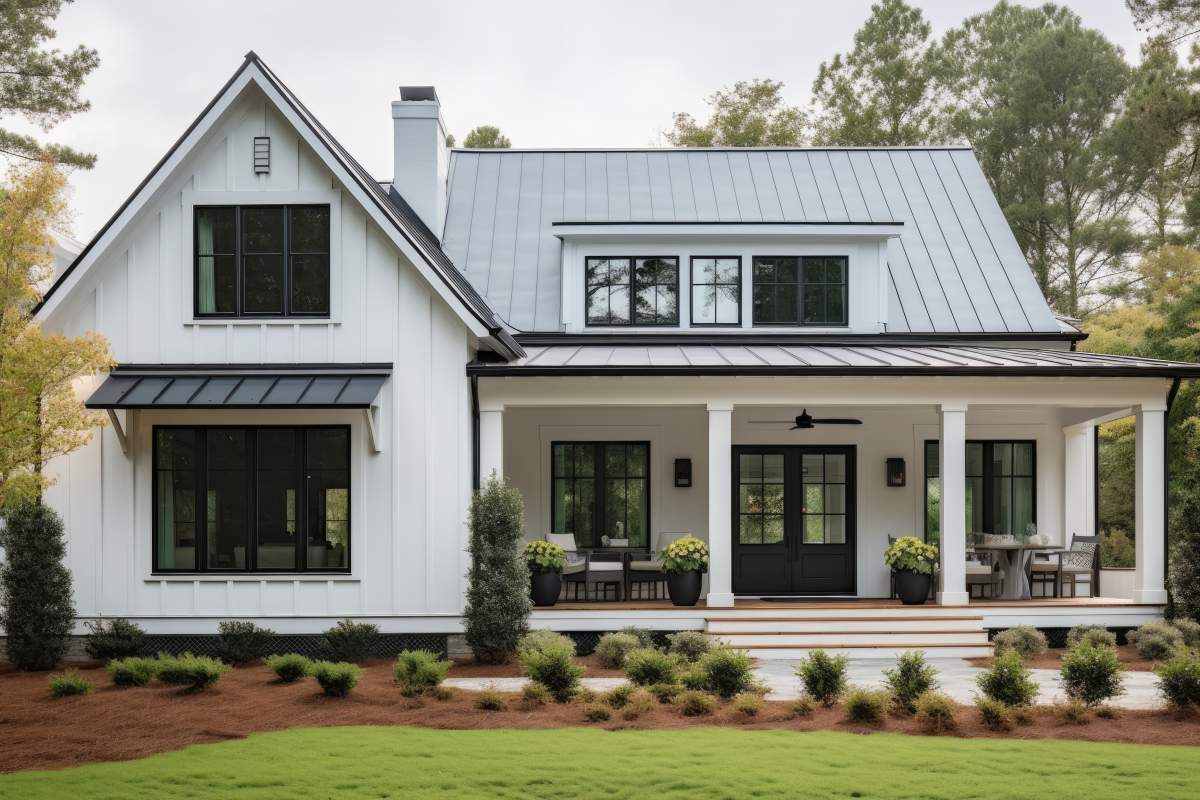
Most local households do not encounter significant health or fire risks with well-installed vinyl siding. Although PVC does melt or burn at lower temperatures than brick or fiber cement, fires caused by exterior ignition are uncommon in the community. From an environmental perspective:
- Vinyl is not biodegradable, so removed or replaced panels remain in landfills for decades.
- Production and off-gassing contribute to the material’s environmental footprint.
- Recyclability is technically possible, but currently not widely available for residential projects in the city.
Area residents who prioritize green building may want to compare claims and environmental certifications before choosing a product.
What Are Some Overlooked Factors in Local Decision-Making?
Carmel’s seasonal shifts can exaggerate certain problems:
- Panels may expand and contract with temperature swings, which stresses poorly fastened siding and can lead to warping or gaps.
- Sound transmission is somewhat higher than with brick or insulated alternatives—residents near busy streets might notice more exterior noise, depending on wall construction.
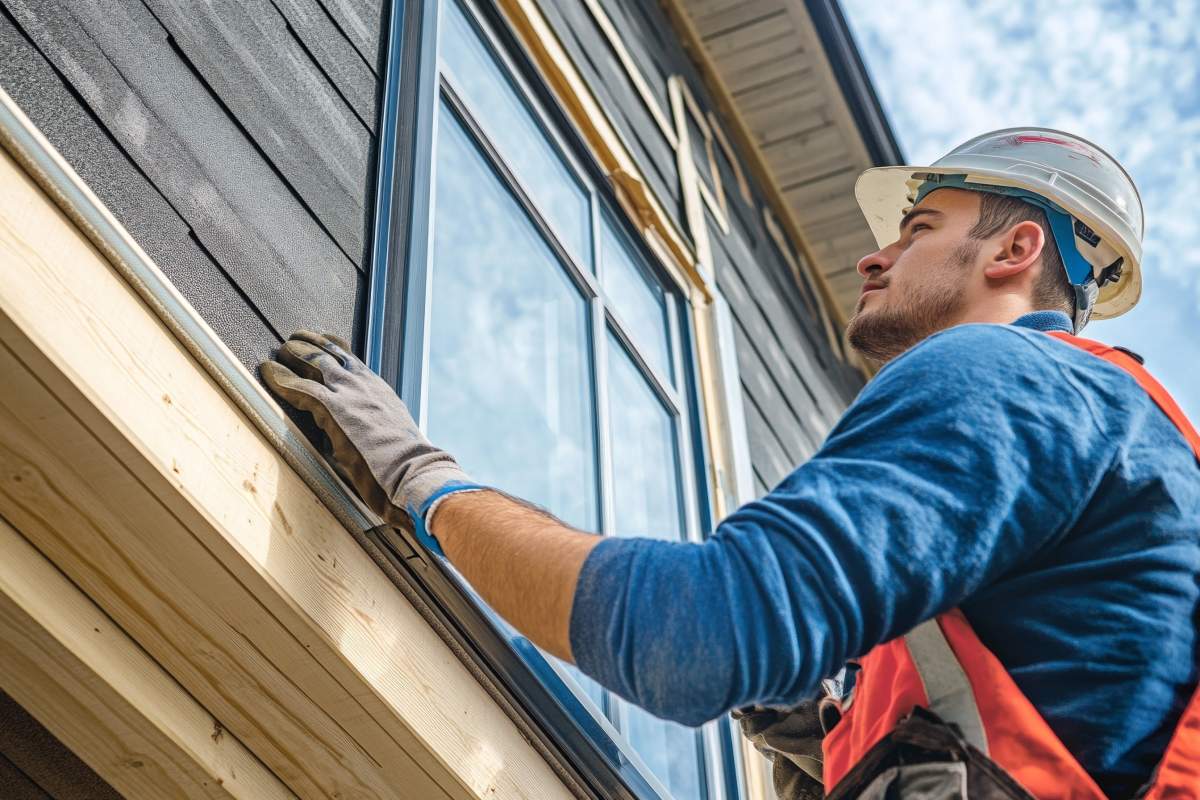
- Window and trim details are trickier to get right with vinyl. Careful installation helps avoid leaks, pest intrusion, or visual mismatches, especially on older homes.
Local historic properties or homes with unique architectural features may not be ideal candidates if maintaining original details is a goal.
Summary: Is Vinyl Siding Right for Every Home in the Community?
Vinyl siding continues to be a practical, cost-effective option for many households in the city, offering a wide range of design choices and a lower maintenance burden for those with busy lifestyles. However, it’s not suited to every property or homeowner expectation. Longevity, appearance, neighborhood standards, installation details, and environmental priorities all play a role in determining whether it truly fits your needs. Local research and honest assessment of your household’s habits, goals, and maintenance commitment can help guide the decision.