



What Makes Paint Start Peeling Outside?
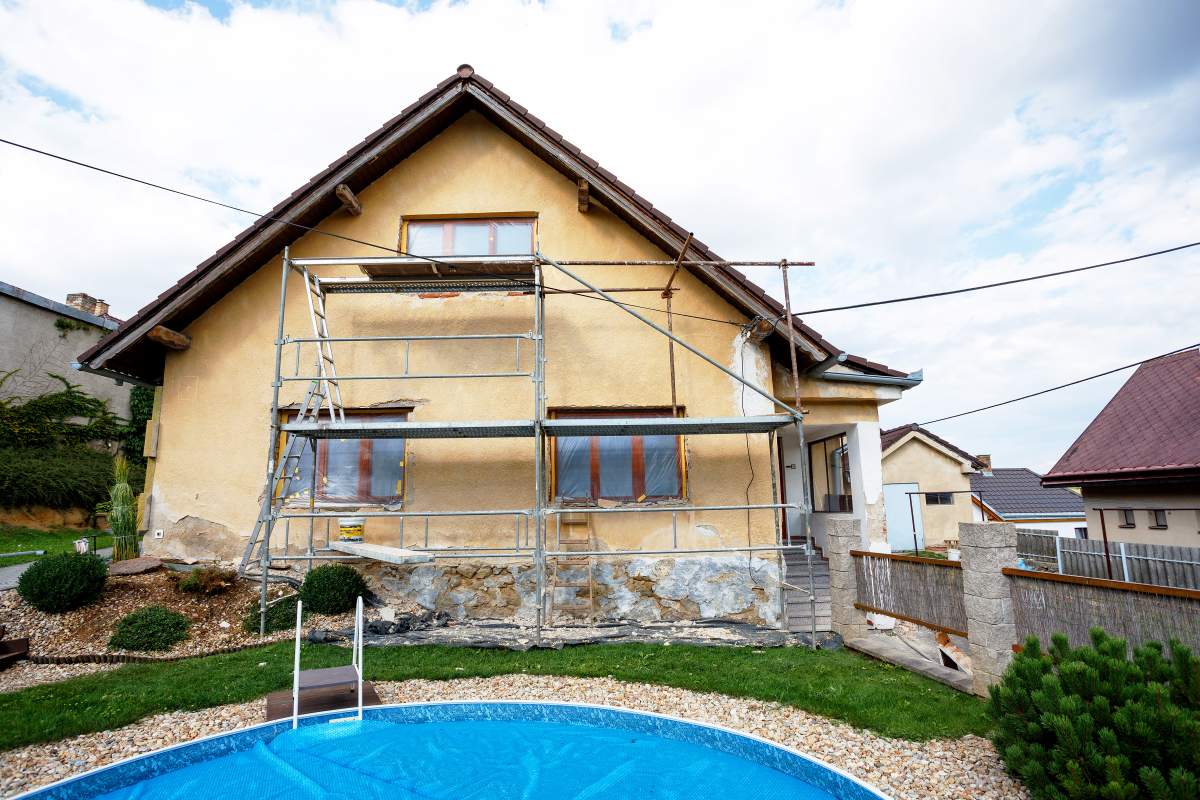
Exterior paint on homes in Carmel, IN typically peels because moisture gets trapped under the paint film or the bond between the paint and surface weakens. Humid summers, frosty winters, rainfall, and sun exposure all play a role in this area. Once the protective seal of the paint fails, water, fluctuating temperatures, and even improper preparation can allow peeling to begin.
The most frequent causes of exterior paint peeling include:
- Water intrusion from clogged gutters, leaky roofs, or poor caulking
- Painting over damp, dirty, or glossy surfaces
- Skipping primer or using incompatible primer and paint
- Applying paint in cold or overly humid weather
- Letting wood or siding age too long before repainting
Many Carmel homes built in past decades have older wood siding or trim, making them especially prone to moisture-related paint issues when not well maintained.
How Do Weather and Climate Affect Paint Peeling in This Area?
Carmel’s weather creates unique pressures on exterior paint. Hot, humid summers lead to expansion and contraction of siding, while freezing winters allow moisture to wedge under paint layers and break the seal. Rapid temperature swings can also push material movement, stressing the paint film.
Snow accumulation along rooflines, ice damming, and persistent spring or fall rain mean surfaces may stay wet longer, which weakens the paint’s hold on wood and fiber cement. Even newer surfaces can see peeling if paint is applied during wet or cold spells, as the film never sets properly.
What Surfaces and Locations Peel Most Often?
On local houses, paint tends to peel fastest in spots that stay damp or face harsh weather:
- North-facing walls shaded from the sun
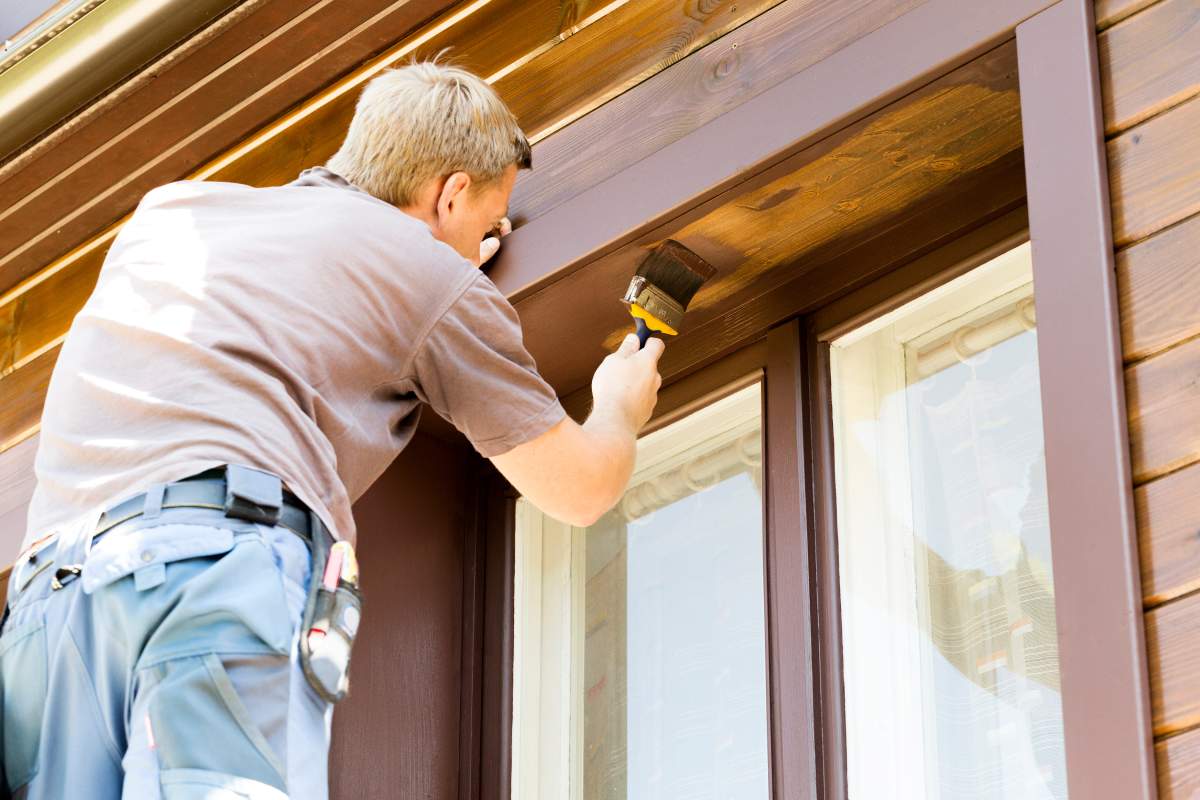
- Window sills, door frames, and porch railings hit by snow or morning dew
- Siding near the ground where splashback occurs
- Soffits and eaves with poor attic ventilation
Areas previously patched or repaired may also show peeling more quickly if old paint, caulk, or filler did not bond well with the new paint.
Can Cleaning or Repainting Fix Peeling Paint?
Yes, but prep is key. Simply brushing new paint onto flaking or bubbled areas won’t solve the underlying problems: the new layer will usually peel again. A lasting fix means removing damaged paint, fixing moisture issues, and using proper products for the material and climate.
Safe and effective steps for addressing peeling paint are:
- Scraping away all loose, cracked, or bubbled paint using a putty knife or scraper
- Sanding the surface smooth, feathering edges where paint remains
- Cleaning the siding with detergent and rinsing thoroughly
- Letting the surface dry completely—often at least 24–48 hours, especially after humid weather
If mildew or mold is present, homeowners should clean these areas with a mixture of water and a small amount of household bleach before rinsing.
What Causes Paint to Bubble, Crack, or Lift Away?
Bubbles and cracks often develop ahead of peeling. These defects occur when:

- Moisture is trapped beneath a new paint coat
- Surfaces weren’t primed or sanded properly
- Paint layers are applied too thickly or during unsuitable weather
Latex paint over oil-based paint, frequent in older homes in the area, can also lead to lifting and peeling unless a special bonding primer is used. Identifying these issues early prevents more widespread failure.
What Kind of Paint Is Most Resistant to Peeling?
Acrylic latex paints are recognized for their flexibility and durability in regions like Carmel. They allow moisture vapor to escape from wood or masonry underneath, reducing the likelihood of trapping water. Choosing an exterior grade with strong adhesion properties is especially important. Paint labeled for specific siding materials, such as wood, fiber cement, or aluminum, adheres best and resists peeling. Oil-based primers beneath latex topcoats may still be recommended on bare wood for maximum durability in climates with freeze-thaw cycles.
How Can Homeowners Reduce Future Peeling Problems?
Preventing exterior paint issues is usually more cost-effective than frequent repairs. Steps Carmel residents can take include:
- Maintaining gutters and downspouts to keep moisture away from siding
- Promptly repairing caulking and seals around windows and doors
- Scheduling repainting before widespread cracking appears (generally every 5-8 years for wood)
- Only painting in recommended temperatures (typically 50–85°F, with low humidity)
- Using high-quality primers and paints suited for local weather patterns
Keeping shrubs and trees trimmed away from siding improves ventilation and sunlight exposure, helping surfaces dry after rain or snow.
Do All Peeling Problems Need Immediate Repair?
Small sections of peeling paint don’t always require urgent attention, but leaving them untreated can allow water to penetrate siding, causing rot, mold, or interior leaks. For safety, paint that contains lead—common in homes built before 1978—should only be addressed following EPA-recommended precautions, especially when sanding or scraping.
For most modern homes, addressing peeling sooner limits costs and preserves curb appeal. Regularly inspecting shaded, weather-exposed, or aging surfaces after winter or heavy storms helps spot trouble before repairs become more difficult.